Why Trump's Hormuz "Protection Fee" Just Ignited a Global Powder Keg
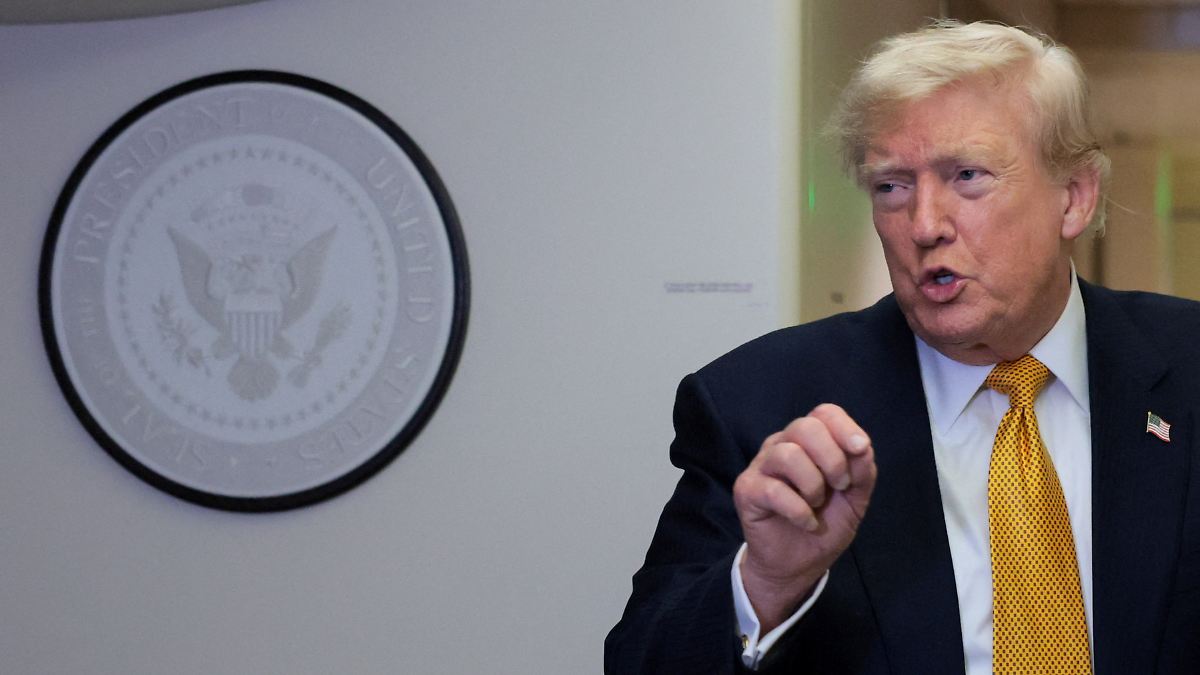
The simmering tensions between the United States and Iran have just boiled over in the world's most critical oil chokepoint. In a move that sent shockwaves through global capitals and shipping markets, US President Donald Trump declared that the United States would become the "guardian" of the Strait of Hormuz, demanding a staggering 20% tariff on all cargo passing through for its "protection." Simultaneously, he announced a sweeping naval blockade on all ships bound for or departing from Iranian ports.
From Tehran, the response was swift and incandescent: Iran will "under no circumstances allow" US intervention in the strategic waterway, with its military command threatening to consider any cooperation by Gulf states with Washington a direct "act of war." This isn't just a war of words; it's a dangerous escalation with profound implications for global trade, energy prices, and the very fabric of international law.
The Bold Announcement: What Does Trump's "Strait Guardian" Plan Entail?
Speaking on Fox News and his platform Truth Social, President Trump outlined his audacious plan. The US military will reimpose a naval blockade, effective Tuesday at 10 PM CEST, targeting all shipping along the Iranian coast, including its ports and oil terminals, regardless of flag. Neutral ships transiting Hormuz to non-Iranian destinations, however, will remain unimpeded, and humanitarian aid will be allowed after inspection.
But the real headline-grabber is the "protection fee." Trump asserts that the US will "take over" the Strait and be "paid for it." His proposed 20% levy on all cargo passing through is framed as a matter of "justice" to cover the costs of ensuring security in "this very unruhigen Teil der Welt" (this very turbulent part of the world). Details remain scarce, including who exactly would collect or pay this unprecedented fee. This builds on a threat made in June to impose a "toll" if negotiations with Iran failed – a failure that now seems very much a reality.
The Geopolitical Stakes: Why the Strait of Hormuz Matters to Everyone
The Strait of Hormuz is not just any waterway; it's the narrow gateway through which roughly one-fifth of the world's oil supply passes daily. Blockade threats, naval exercises, and direct military action here don't just affect the US and Iran – they send jitters through every major economy. A disruption in Hormuz could trigger an energy crisis, sending oil prices soaring and destabilizing global markets. Trump's declaration to become the Strait's "guardian" and demand payment fundamentally challenges the long-standing principle of free and unimpeded passage through international waters.
Iran's Red Line: A Direct Challenge to US Hegemony
Tehran's immediate and furious rejection underscores the gravity of Trump's announcement. For Iran, any US attempt to control or levy fees on the Strait of Hormuz is not just a violation of sovereignty but an existential threat, particularly given their dependence on oil exports. The declaration that Gulf state cooperation would be deemed an "act of war" is a stark warning, raising the specter of a wider regional conflict that could quickly draw in other players.
International Outcry: Is a Hormuz Toll Legally Sound?
The international community is already lining up to condemn Trump's proposal. The UN Shipping Organization (IMO) quickly stated there is no legal basis for a cargo fee in international waters and firmly rejected such passage charges. Representatives of the global shipping industry echoed these concerns, declaring the move a clear violation of international law. This isn't merely a procedural squabble; it's a challenge to the foundational principles governing maritime trade, with potential ripple effects across all global sea lanes.
A Flailing Framework: How Recent US-Iran Escalations Set the Stage
This dramatic escalation didn't come out of nowhere. Tensions between Washington and Tehran have been steadily mounting. Just days prior, US forces reportedly struck dozens of targets within Iran, while the Iranian Revolutionary Guard retaliated by attacking US military sites in Jordan, Kuwait, Bahrain, and Oman. A framework agreement signed in mid-June, intended to lead to a peace deal within 60 days, has evidently collapsed, with no real progress made. The US had reportedly given Iran a Saturday deadline to publicly commit to free and safe shipping in Hormuz – a demand that clearly went unanswered.
The impact is already visible: shipping traffic through Hormuz plummeted to a mere 14 vessels on Sunday, the lowest this month, a stark contrast to the over 100 ships daily before the recent conflict began.
The Diplomatic Maze: Oman's Peace Efforts and US Contradictions
Amidst the bellicose rhetoric, there have been quiet diplomatic efforts. Oman, a key regional mediator, reportedly proposed a fee-free transit solution: free passage on the southern route, while the northern route along the Iranian coast would require Tehran's permission but also remain free of charge. Negotiations between Iranian Foreign Minister Abbas Araghtschi and Omani Foreign Minister Badr al-Busaidi are ongoing in Muscat, though an Iranian commitment to the Omani proposal is still pending.
Crucially, Trump's current stance stands in stark contrast to previous US positions. The framework agreement itself stipulated that Iran should agree with Oman and other littoral states on the future administration of the Strait, with the US president himself previously labeling any "toll" as unacceptable. Secretary of State Marco Rubio also explicitly stated in late June that no country has the right to charge for the use of international waters, calling it a "fundamental principle of the international order." This apparent policy shift only adds to the confusion and instability surrounding this critical flashpoint.
The stakes are clear: peace, stability, and the flow of global energy all hang in the balance. As Trump doubles down on his "guardian" role, the world watches to see if this audacious gamble will pave the way for a new regional conflict or force a diplomatic breakthrough from the brink.


