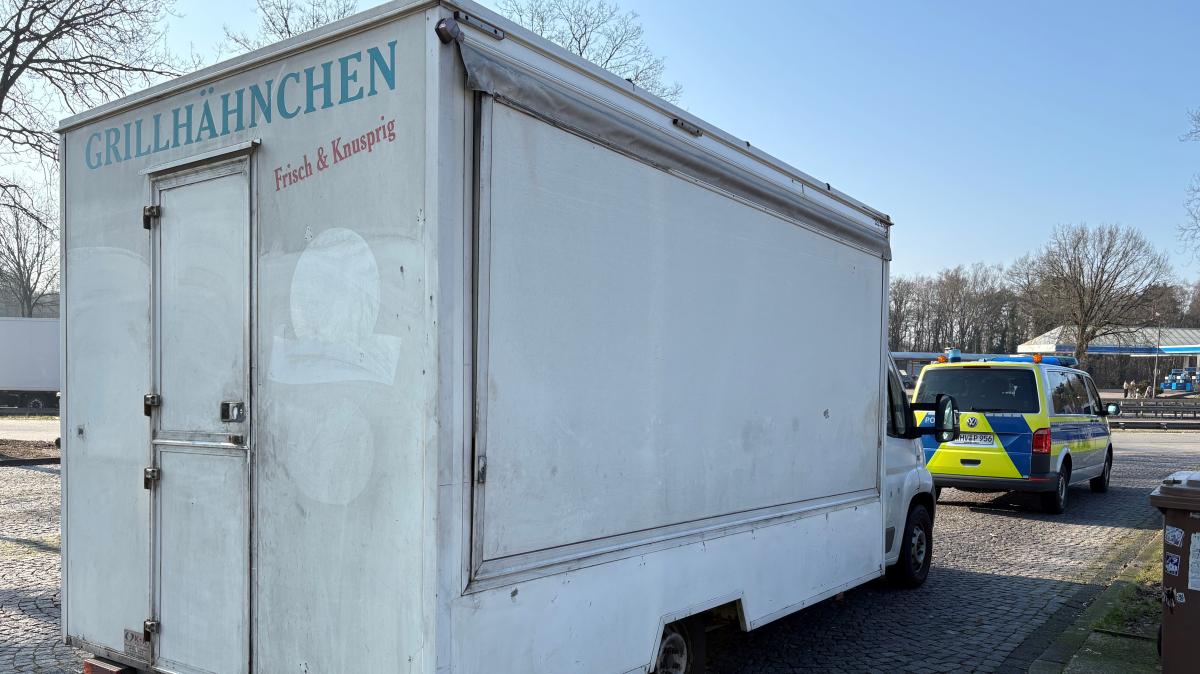
Chicken Catastrophe: Why a Roadside Grill Got Shut Down
Picture this: You’re cruising down Germany’s famous A1 autobahn, maybe dreaming of a quick, tasty snack from a roadside vendor. But what if that seemingly innocent grill-on-wheels was actually a ticking time bomb of unhygienic food and critical safety hazards? That’s exactly the scenario police and veterinary officials in Lower Saxony uncovered last week, pulling a 50-year-old Bremer's chicken grill truck from circulation in a sting operation that reveals deeply unsettling flaws in food transport and public safety.
This wasn't just a minor infraction. It was a full-blown shutdown, highlighting the critical importance of food safety regulations and vehicle maintenance that, frankly, some operators seem to be ignoring at dangerous levels.
The Shocking Discovery: Unsanitary Conditions and Expired Safety Checks
The grill chicken vendor, en route to Dötlingen, was flagged for a routine inspection at the Wildeshausen-Süd service station. What officers from Oldenburg Police and the Lower Saxony Veterinary Office found was anything but routine.
Grave Hygiene Breaches: Food Fit for the Bin, Not Your Plate
According to police reports, the mobile snack bar was riddled with "considerable hygienic deficiencies." We're not talking about a little dust here; every single food item stored within the dilapidated vehicle was deemed unsafe and immediately destroyed. This isn't just an aesthetic issue; it's a severe public health risk. Unhygienic food storage can lead to bacterial contamination, food poisoning, and potentially life-threatening illnesses for consumers.
A Vehicle on Its Last Legs: Expired Inspections and Dangerous Gas Leaks
But the problems didn't stop at food. A full inspection by Germany's technical inspection association (TÜV) revealed the chicken truck itself was in a "desolate state." Its main inspection had apparently lapsed for over a year, meaning it had been operating illegally and unchecked for crucial safety components. Even more alarming, the vehicle's gas system suffered from "grave defects," allowing gas to leak uncontrollably. Imagine the danger: a mobile kitchen, hot grills, and uncontrolled gas – a recipe for disaster on the highway.
The vendor, identified as the sole owner and operator, was allowed to drive the truck only as far as his own depot. After that, any further operation or driving of the grill wagon was strictly prohibited. A police procedure has been initiated, and the Bremen trade supervisory office has been informed, ensuring further investigation into the business's practices.
Broader Implications: Uncovering Widespread Transport Safety Failures
This incident wasn't an isolated stroke of luck for the authorities. It was part of a targeted "focus control" initiative by the Oldenburg Police Directorate, specifically aimed at animal and food transports. The results are concerning: out of 46 vehicles inspected, nearly three-quarters were found to have deficiencies.
These violations weren't just about hygiene. They included issues like:
- Non-compliance with driving and rest times: Leading to fatigued drivers and increased accident risks.
- Inadequate load securing: Posing a danger to other road users if cargo shifts or falls.
- Incorrect parking space size: Highlighting general disregard for regulations.
The Oldenburg Police’s findings paint a sobering picture of a sector where regulatory oversight, or perhaps operator diligence, is critically lacking. This incident serves as a stark reminder that what seems like a harmless roadside snack could hide a litany of risks, from foodborne illness to catastrophic accidents. It's a call to action for stronger enforcement and greater accountability in the food and transport industries.