Heathrow Airport Mayday: What Triggered the British Airways Distress Call?
Imagine this: you're on final approach to one of the world's busiest airports, Heathrow, looking forward to landing. Suddenly, the flight crew issues a "mayday" distress call. This wasn't a scene from a movie; it was reality for passengers on a British Airways flight from Dusseldorf earlier this month, and it's sending ripples through the aviation safety community.
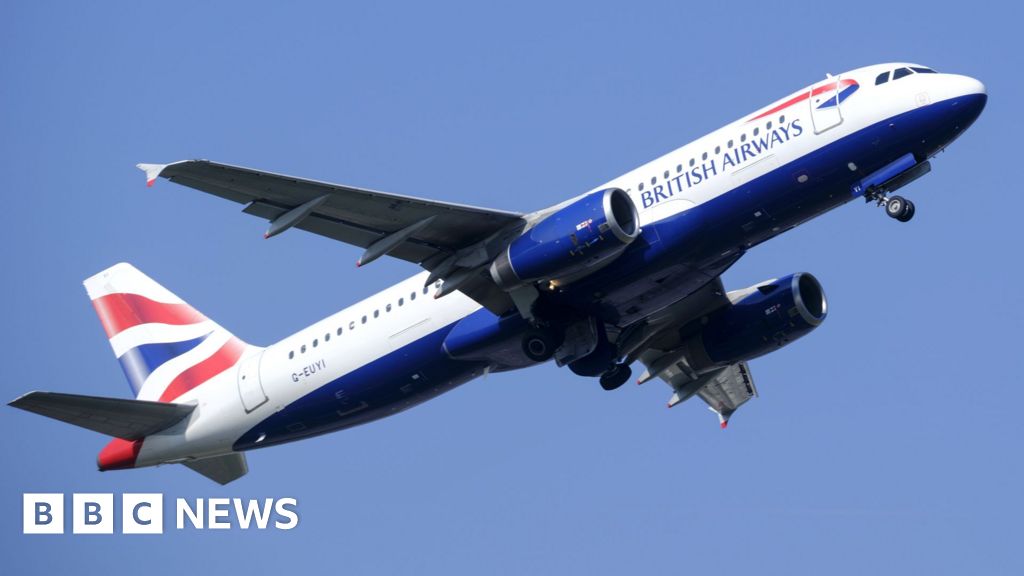
On July 6, British Airways flight BA327, an Airbus A320, encountered not one, but two stall warnings as it neared Heathrow. What followed was an urgent communication with air traffic control, escalating to a full-blown "mayday," signifying imminent danger. While the aircraft ultimately landed safely, the UK's Air Accidents Investigation Branch (AAIB) has confirmed it's investigating a "serious incident," raising critical questions about system failures and in-flight procedures.
How a Data System Failure Led to Dual Stall Warnings on BA327
The sequence of events, detailed by France's Air Safety Investigation Authority (BEA), paints a concerning picture. As the British Airways A320 began its descent into Heathrow, a critical data system failure occurred. This malfunction immediately triggered the aircraft's first stall warning – a stark alert that the plane's wings might lose lift, potentially leading to a dangerous loss of control.
The Critical Decision: Flying in 'Alternate Law' After First Alert
Following the initial warning, the experienced flight crew made a crucial decision: they switched the aircraft into "alternate law" mode. This isn't a routine maneuver. "Alternate law" is a flight control mode that kicks in when primary systems fail, essentially removing some of the automated flight protection systems that pilots typically rely on. It gives pilots more direct control but also reduces the computer's ability to prevent the aircraft from exceeding its safe flight envelope.
It was while operating in this less automated mode that a second stall warning blared, this time at just 3,000 feet – terrifyingly close to the ground, likely just miles from Heathrow's runways. This second, highly critical warning prompted the crew to upgrade their initial urgency call to the highest level of distress: "mayday."
Understanding a 'Mayday' Call: Why This BA Incident Was Serious
For most passengers, a "mayday" call is the stuff of disaster movies. In reality, it's a specific, internationally recognized distress signal indicating an aircraft or vessel is in grave and imminent danger and requires immediate assistance. While urgency calls (like "Pan-Pan") are made for less critical situations, such as a sick passenger, a "mayday" carries a much heavier weight.
Aviation Experts Explain the Difference Between Urgency and Imminent Danger
Aviation safety investigator David Gleave highlighted the distinction: "You could have sick passengers on board who need urgent medical attention... but it's very unusual for it to be a significant failure on board the aeroplane" to warrant a mayday. The fact that the BA crew escalated to "mayday" indicates they perceived a genuine, immediate threat to the aircraft's safety. This wasn't a minor glitch; it was a potentially catastrophic systems failure that necessitated quick, expert intervention from the pilots to prevent a tragedy.
UK Air Accident Branch Launches Probe into British Airways Flight Incident
Both the French BEA and the UK AAIB are now involved in investigating the July 6 incident. The AAIB has confirmed its investigation into a "serious incident," a classification that itself underscores the gravity of what transpired. British Airways has stated it is fully assisting the AAIB and cannot comment further at this stage, as is standard procedure during such probes.
What a 'Correspondence Investigation' Means for Aviation Safety
Interestingly, the AAIB has described its investigation as a "correspondence investigation." This means that unlike some major incidents requiring on-site teams and extensive field work, this probe will primarily involve reviewing flight data, maintenance records, and crew statements from their offices. While seemingly less intensive, for a major airline operating a widely used aircraft model, any "serious incident" involving system failures is meticulously analyzed to prevent future occurrences. It suggests sufficient data is available without needing to physically inspect the wreckage (since it landed safely).
Edward Killiwick, one of the passengers on the affected flight, can certainly attest to the unsettling experience, even if the landing was ultimately safe. For those on board, the moments between the warnings and the eventual safe touchdown would have felt like an eternity.
The Ripple Effect: What This Means for British Airways and Passenger Confidence
While the immediate danger has passed, the investigation will delve deep into the root causes of the data system failure and the subsequent stall warnings. For British Airways, a robust explanation and preventative measures are crucial not only for safety but also for maintaining public trust. The incident serves as a stark reminder of the complexities of modern aviation and the incredibly high stakes involved when technology malfunctions at 3,000 feet.
As the AAIB works to uncover why this "serious incident" occurred, the aviation industry will be watching closely. Understanding these critical failures is vital to ensuring that such a harrowing experience remains an isolated event, reinforcing the layers of safety that underpin air travel for millions worldwide.


