Why Hamburg's Cyclists Are Taking Over the Streets
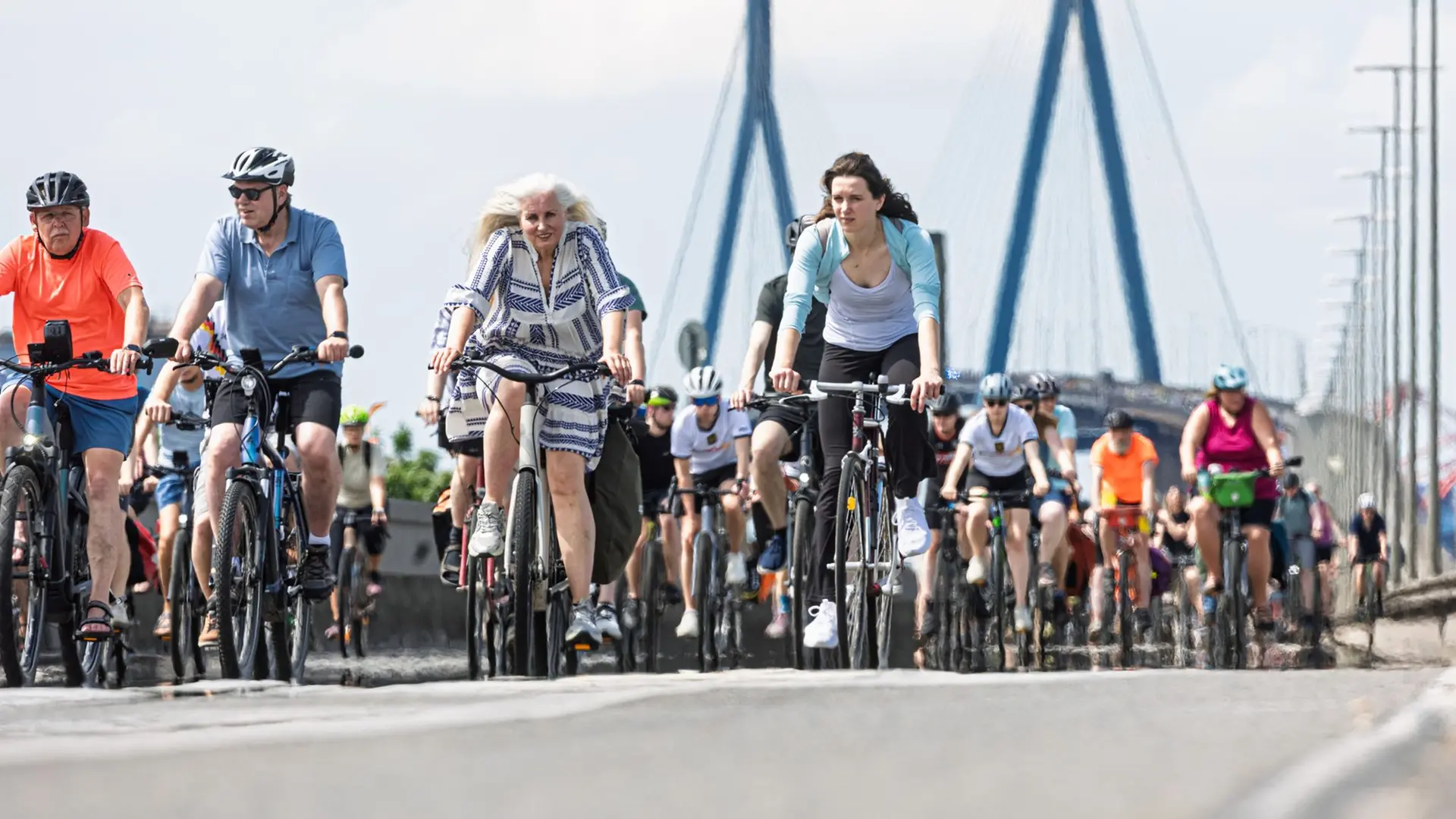
This past Sunday, Hamburg's usually car-dominated streets transformed into a pulsating river of bicycles. Thousands of cyclists, a sea of helmets and high-vis, converged on the city center for the annual "Fahrradsternfahrt" – a powerful demonstration pushing for a radical shift towards a more bike-friendly urban landscape. While police estimated around 6,500 participants, organizers claim a staggering 13,500, highlighting the sheer scale and growing urgency behind their message.
Organized by the long-standing "Mobil ohne Auto" (Mobile without Car) association, this "Star Ride" saw cyclists embark from over 80 different locations, including distant towns like Lüneburg and Stade, all heading towards a unified rally point at the iconic Jungfernstieg. This wasn't just a leisurely ride; it was a potent statement about the future of urban mobility and, more critically, the safety of those choosing two wheels over four.
The Alarming Numbers: Why Safer Cycling is Critical Now
The core of this protest, and what makes it resonate so deeply, is a sobering statistic: 21 people have already lost their lives in traffic accidents this year in the wider region, with a disproportionately high number being cyclists or e-bike riders. This grim reality underscores the desperate need for improved infrastructure and policies. It's no longer just about convenience or environmentalism; it's about life and death.
The "Mobil ohne Auto" association, a coalition including the German Cyclist's Association (ADFC) and various environmental groups, is campaigning for an "environmentally and socially compatible traffic transition" – or Verkehrswende. This isn't just jargon; it’s a vision for a city where active mobility isn't just an alternative but a safe, preferred mode of transport.
What Cyclists Are Demanding: Beyond Just Bike Lanes
The demands laid out by the cyclists are clear and comprehensive, targeting key pain points in Hamburg's urban planning:
- Expansion of Velo-Routes and Fast Cycle Paths: Beyond mere painted lines, they want dedicated, high-quality, and connected cycling networks that facilitate efficient and safe travel across the city.
- Comfortable and Safe Elbe Crossing: Navigating Hamburg's iconic river remains a challenge for cyclists. The demand is for infrastructure that prioritizes their safety and accessibility.
- Reintroduction of Car-Free Sundays: A nostalgic nod to previous initiatives, this demand aims to create regular opportunities for citizens to reclaim streets from motor vehicles, fostering community and promoting active lifestyles.
These aren't isolated requests; they form a cohesive strategy to fundamentally rethink how Hamburg allocates its public space and prioritizes its citizens' well-being.
The Logistics: Thousands Converge, Traffic Halted
The sheer volume of participants inevitably led to significant traffic disruptions for motorists, particularly in the city's inner core. While frustrating for some, these temporary halts serve as a powerful, real-time illustration of the cyclists' presence and their collective power.
However, the event wasn't entirely without incident. Organizers reported four separate accidents at the Köhlbrandbrücke, resulting in three injuries. Notably, these incidents involved cyclists falling without the involvement of other traffic participants. While tragic, such occurrences further highlight the inherent risks and the need for even safer, perhaps wider and less congested, routes even for mass cycling events.
The Road Ahead: Hamburg's Push for a Green Transition
The "Fahrradsternfahrt," an annual fixture since 2008, continues to be a vital platform for public discourse on urban mobility. As Hamburg, like many global cities, grapples with climate change, air quality, and public health, the call for a robust Verkehrswende grows louder. The thousands who rode this Sunday aren't just asking for better bike lanes; they're demanding a fundamental re-imagining of their city – one where safety, sustainability, and human-centric design lead the way.
The question for city planners and politicians now isn't if change is needed, but how quickly and how comprehensively they will respond to the urgent buzz from Hamburg's streets. The cyclists have made their statement; the ball is now firmly in the city's court.


