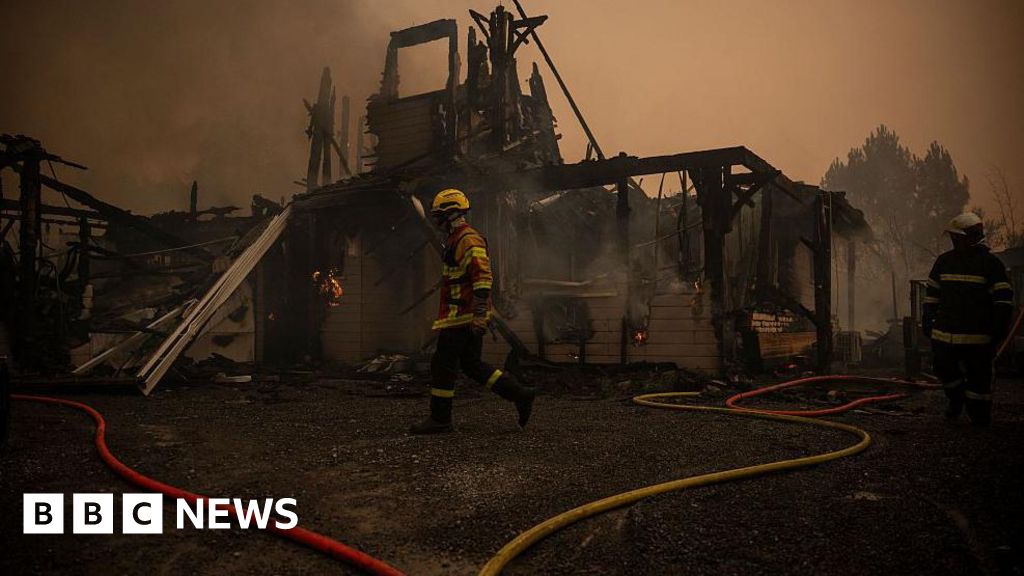
The picturesque Cap Ferret peninsula, a jewel of southwest France and a beloved tourist hotspot, is currently a scene of urgent evacuation. With raging wildfires showing no mercy in the Gironde region, hundreds have been forced to flee by boat and road, marking a terrifying escalation in France's battle against nature's fury.
The Infernal Blaze: Why Gironde's Wildfires Are So Dangerous
This isn't just a brush fire; it's a catastrophe. Igniting on Tuesday in Saumos, the inferno has relentlessly expanded, devouring a staggering 8,700 hectares (over 21,500 acres) of land. But the true cost isn't just in scorched earth; it's in human lives. Two brave firefighters tragically perished Tuesday battling the inferno near Bordeaux's airport, a somber reminder of the immense dangers faced by emergency crews. While officials reported no new injuries by Friday morning, the sheer scale of the destruction and the tragic loss of life underscore the extreme conditions faced by those on the front lines.
Macron's Urgent Call: How France is Mobilizing Against the Flames
French President Emmanuel Macron minced no words Thursday night, labeling the national wildfire situation as "very tense," with a specific emphasis on the embattled Gironde region. Recognizing the overwhelming challenge, Macron promptly activated the European Union's emergency response mechanism, securing critical aerial support. Aircraft from Croatia, Portugal, the Czech Republic, and Slovakia are now en route, a testament to the urgent need for international solidarity in combating these increasingly frequent and powerful blazes. This isn't just a French problem; it's a European one, demanding a coordinated approach.
The Logistics of Escape: Evacuating Cap Ferret Under Duress
Prefect Sophie Brocas declared the "final phase" of Cap Ferret's evacuation early Friday, highlighting the critical nature of the situation. With the main road towards Bordeaux serving as the primary land escape route, authorities also mobilized an impressive maritime effort. Between 7:00 AM and 10:00 AM local time, boats from four different piers ferried hundreds of residents and tourists to safety, preventing potential bottlenecks and offering a vital alternative for those cut off by the advancing fires. This dual approach underscores the comprehensive, albeit desperate, measures being taken to safeguard lives.
Beyond France: Southern Europe's Shared Fire Crisis Escalates
The searing crisis isn't confined to France's borders. Neighboring Spain is also battling its own infernos, with the government declaring a national emergency as multiple wildfires rage dangerously close to the capital, Madrid. Interior Minister Fernando Grande-Marlaska highlighted significant blazes at Villa del Prado and San Martín de Valdeiglesias in the Madrid region, and Burgohondo in Ávila. While a dedicated team of 60 firefighters is working tirelessly to contain a 25-hectare woodland fire, the sheer number of simultaneous outbreaks highlights the unprecedented strain on emergency services across southern Europe. This parallel crisis in Spain, alongside reports of extensive fires consuming hundreds of hectares in the UK (such as the Rhinogydd mountains in Wales or challenging gorse fires on the Isle of Wight), paints a grim picture: a continent grappling with an escalating climate-driven emergency. It's a stark preview of what could become a new, hotter normal for European summers.
Why These Fires Matter: Climate Change's Unmistakable Signature
The ongoing devastation in Gironde and across Europe isn't merely a series of unfortunate accidents. These increasingly frequent, intense, and widespread wildfires are a direct and undeniable consequence of climate change. Prolonged droughts, record-breaking heatwaves, and shifting weather patterns create perfect tinderbox conditions, overwhelming even the most prepared emergency services. The loss of life, the displacement of communities, and the destruction of vital ecosystems aren't just headlines; they are critical warning signs. As leaders like Macron call for international aid, the underlying message is clear: the fight against these fires is also a fight against a rapidly changing climate, demanding global cooperation and proactive strategies far beyond immediate crisis response.


