The German national football team has returned home, but the echoes of their catastrophic World Cup exit against Paraguay are still reverberating across the nation. This isn't just about a lost match; it's about a shattered identity, a leadership vacuum, and a sport in existential crisis.
Germany's Shocking World Cup Exit: The Paraguay Upset
For the third consecutive World Cup, Germany failed to progress beyond the early knockout stages, this time succumbing to an underdog Paraguay in the Round of 32 (Sechzehntelfinale). After a nail-biting 1-1 draw over 120 minutes, the DFB-Team lost 3-4 in a penalty shootout – a first-ever World Cup shootout defeat for the football powerhouse. The loss sent shockwaves, not least because it dashed hopes of an anticipated clash with France.
Paraguay, on the other hand, declared a national holiday. Their 22-year-old hero, Julio Enciso, who scored the crucial equalizer, broke down in tears, dedicating the victory to his late grandfather. This was more than just a game for them; it was a moment of national pride, built on grit and determination, qualities Germany seemingly lacked.
Julian Nagelsmann's Uncertain Future: Who Takes the Helm of the DFB?
All eyes are now on Bundestrainer Julian Nagelsmann. The 38-year-old coach, whose return flight to Munich was met with pouring rain and empty fan zones, has firmly stated his desire to remain in charge. "I have a contract and I am available," he told the Sportschau, with DFB Sporting Director Rudi Völler initially backing him as an "absolute top coach."
However, DFB President Bernd Neuendorf's post-exit statements have been notably less committal, hinting at a comprehensive review. The public sentiment is clear: Nagelsmann's tactical decisions, particularly the persistent deployment of Joshua Kimmich at right-back despite calls for a central role, and his perceived communication missteps, are under intense scrutiny.
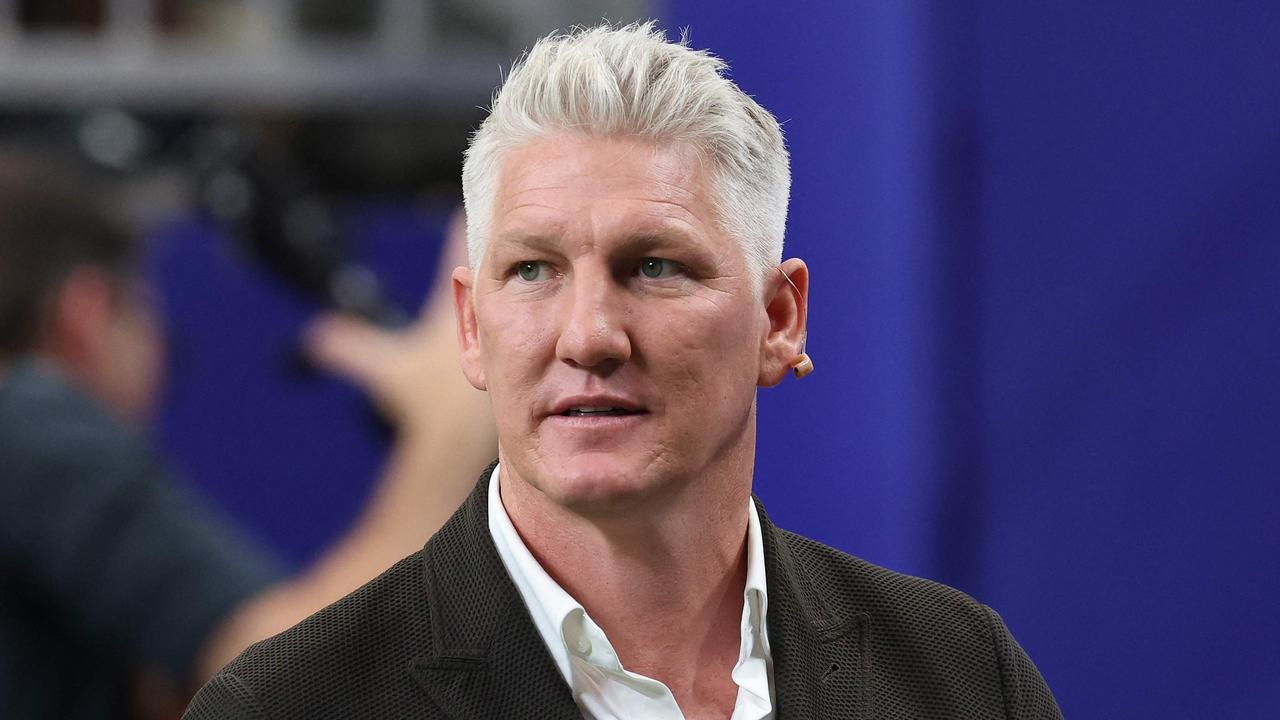
The specter of Jürgen Klopp, still under contract at his club, looms large. Sportschau expert Bastian Schweinsteiger articulated the pervasive feeling: "If you're Klopp, there's no improvement. But Nagelsmann is still under contract, we must respect that. The DFB must ask itself whether he can still create a fresh start or if they let the spirit of Klopp continue to swirl." The longer the DFB waits, the louder the Klopp rumors will become, further destabilizing the situation.
Football Legends Speak Out: What Went Wrong for Germany?
Former German stars have been unequivocal in their criticism, painting a bleak picture of the national team's current state:
- Bastian Schweinsteiger lamented the loss of "robustness, identity, and fight." He observed, "All my former colleagues say that we have lost our DNA and can no longer play football as well." He sees little hope for the upcoming European Championship, calling the team "average."
- Philipp Lahm, shocked by the early exit, pointed to a fundamental lack of strategy: "We had no idea how we wanted to act. There was no development, not even during the tournament." He stressed the need for a clear footballing philosophy, something other top nations possess.
- Toni Kroos delivered the most damning assessment on his TikTok show, "Kroos & Kroos: die WM unter der Lupe." He declared, "We currently don't have a single world-class player." While acknowledging "world-class potential," Kroos stressed the difference between potential and performance, attributing the team's struggles to "uncertainty or overconfidence."
- Jürgen Klinsmann called the manner of elimination "devastating, an embarrassment," drawing parallels to the 2018 and 2022 group stage exits. He demanded "consequences, whatever these consequences may be."
- Dietmar Hamann squarely blamed Nagelsmann, stating, "Obviously it's the coach. It's a coach's job to get the boys together. This is a guy who rarely watches games."
These aren't just ex-players; these are voices that define German football, and their consensus points to a deep, systemic failure.
VAR Outrage: Was Germany Robbed of a Crucial Goal?
Adding insult to injury, a controversial VAR decision disallowed Jonathan Tah's header in extra time, which would have put Germany ahead 2-1. Replays showed Paraguayan goalkeeper Orlando Gill going down after a collision with Waldemar Anton, leading referee Jalal Jayed to overturn the goal after reviewing the pitch-side monitor.
Sportschau referee expert Lutz Wagner vehemently disagreed, calling it a "wrong decision." "For me, both orient themselves to the ball," Wagner argued, suggesting the goalkeeper initiated contact with Anton. This disallowed goal will forever be etched in German football history as a moment of agonizing "what if."
Beyond the Pitch: Corruption Scandal Rocks the German Football Federation
As if the on-field crisis wasn't enough, the DFB headquarters itself was raided by over 100 investigators on Wednesday morning. The investigation centers on suspicion of "structured granting of advantages" related to Euro 2024, involving "allegedly granted, unauthorized advantages, including a visit to an international football match."
This corruption probe casts a long shadow over the federation, fueling public distrust and adding another layer of complexity to the already daunting task of rebuilding German football. It suggests that the issues extend far beyond coaching and player performance, reaching into the very core of the institution.
The Cost of Failure: DFB Faces Millions in Lost World Cup Earnings
The early exit is also a significant financial blow for the DFB. While they received $11 million for reaching the Round of 32, an advance to the Round of 16 would have brought an additional $4 million, with more millions for each subsequent stage. The eventual World Champion stands to earn $50 million.
DFB CEO Andreas Rettig had already warned that European nations would struggle to "break even economically" without reaching at least the semi-finals. This latest setback, following similar early exits in 2018 and 2022, means substantial financial losses, impacting future investments and development programs.
Lessons from the Debacle: How Germany's Exit Impacts England's World Cup Strategy
Interestingly, Germany's struggles haven't gone unnoticed by other major footballing nations. England manager Thomas Tuchel, himself a German, observed the unexpected exits of both Germany and the Netherlands. Ahead of England's Round of 32 clash against DR Congo, Tuchel emphasized humility: "These are tight games, and that helps us not to have exaggerated expectations and to correctly classify what is happening at this World Cup and in world football."
Tuchel's comments highlight a critical point: in modern football, underdogs are well-prepared, defensively solid, and play with nothing to lose. Germany's spectacular fall serves as a stark reminder that complacency, a lack of clear identity, and an absence of world-class difference-makers can be fatal, even for the most decorated nations. The world is watching, and Germany's pain is a lesson for all.
What's Next for German Football?
The coming weeks will be critical for German football. The DFB faces immense pressure to not just review, but to fundamentally reform. This means:
- A decisive call on Nagelsmann's future.
- A clear vision for the national team's playing style and player development.
- Addressing the structural issues and corruption allegations within the DFB.
- Reigniting hope among a disillusioned fanbase.
The era of easy victories and assumed greatness is over. Germany must now confront the naked truth of its current "average" status and embark on a painful, but necessary, journey of self-reflection and rebuilding. The world waits to see if the once-dominant footballing nation can rediscover its lost DNA.

