Germany's Farmers Face Unprecedented Drought Challenges: What's the Real Impact on Harvests?
Germany's fields are sizzling, and so is the mood among its farmers. As the nation grapples with another relentless summer of extreme heat and suffocating drought, the backbone of its food supply is cracking under pressure. The current harvest season, far from yielding bounty, is shaping up to be a major disappointment, forcing farmers to issue a desperate plea for help. Yet, the response from the federal government, particularly Agriculture Minister Alois Rainer, has left many incredulous: "I can't make it rain, otherwise I would," he reportedly stated.
This isn't just about a few dry fields; it's about the future of German agriculture, the stability of food prices, and the very resilience of the nation in the face of escalating climate change.
Southern Germany's Extreme Drought: A Regional Breakdown of Crop Stress
While the full picture of this summer's agricultural damage is still emerging, the prognosis isn't good. Stefanie Sabet, Secretary-General of the German Farmers' Association, anticipates a "slightly below-average harvest" for crucial crops like grain harvest and rapeseed. For later-ripening varieties, the outlook is equally grim, with "best-case average" yields expected.
The Helmholtz Centre for Environmental Research's Dürremonitor paints a stark visual: the further south you look on the German map, the deeper the ominous red, indicating areas of extreme drought. This isn't just an inconvenience; it's a crisis pushing vital crops to their breaking point. Local municipalities are already imposing water restrictions, even outright bans, to conserve dwindling resources, further compounding farmers' woes.
Beyond Grain: The Looming Fodder Shortage Threatening German Livestock
The challenge extends far beyond food crops. The condition of Germany's grasslands – the pastures and meadows essential for animal feed – is particularly alarming. This directly impacts the food security of the nation's livestock, creating a ripple effect through the entire food chain. A recent survey by the Farmers' Association reveals that over a third of farmers are already forced to purchase supplementary feed, a significant and often unexpected expense. This rising cost could inevitably translate into higher prices for consumers.
"I Can't Make It Rain": Germany's Agricultural Minister Under Fire for Climate Response
In the face of this deepening crisis, the Agriculture Ministry's official stance feels strikingly detached. A spokesperson noted that the situation isn't "new," comparing it to previous years, and stated the government is "observing the situation" and "in exchange with all actors."
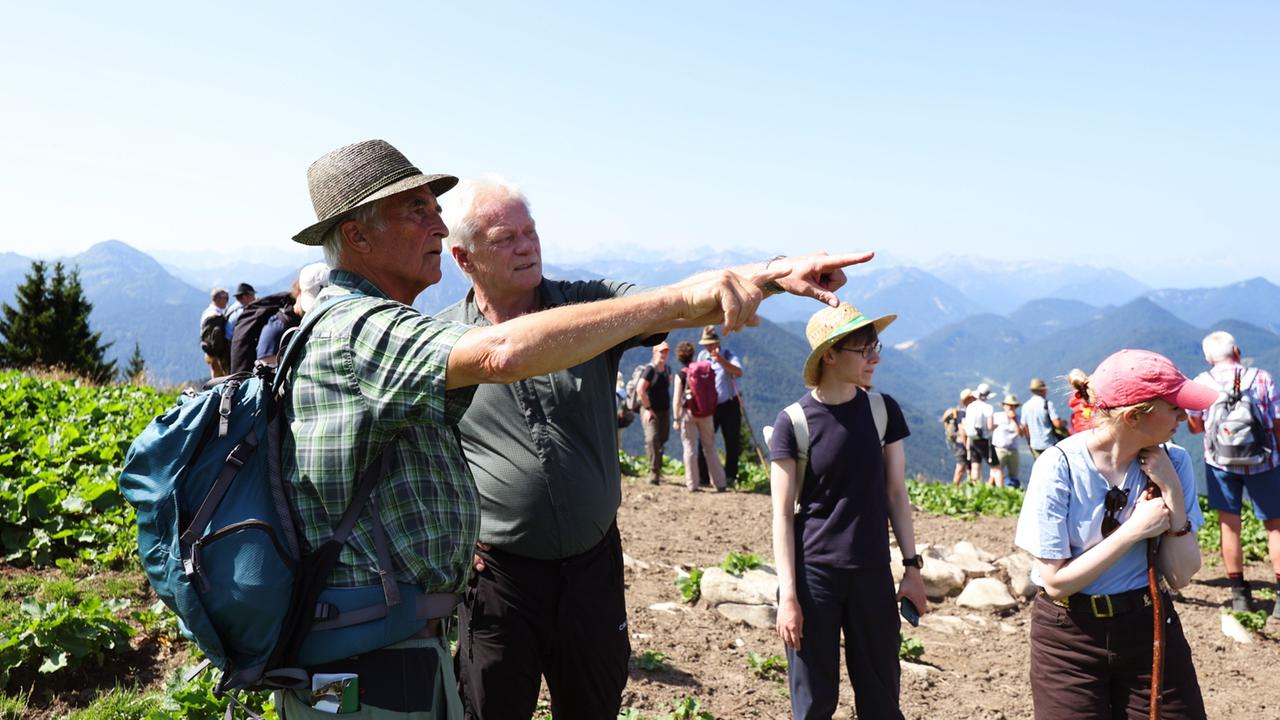
However, it was Minister Alois Rainer's remarks during an Upper Bavarian Alpine pasture inspection on August 7th that truly ignited a firestorm. While acknowledging climate change Germany as a topic that "occupies agriculture," his follow-up — "I can't make it rain, otherwise I would" — struck many as dismissive.
Farmers Demand Action: Why "Observation" Isn't Enough for Climate-Hit Agriculture
For German farmers like Ralf Behring, who operates a farm in Brandenburg's Märkische Schweiz, such statements are not just unhelpful; they're "irresponsible." Behring, a farmer for 35 years, vehemently disagrees with the observation-only approach. "That would be like me, as a farmer, saying: 'Well, I'm watching my animals die of thirst or my trees wither,'" he criticizes. "Observing is not enough; I have to act."
Behring's own farm illustrates the profound, tangible impacts of climate change: plants demanding more water, soaring forest fire risks, and the accelerated spread of pests like bark beetles. He notes the delayed onset and earlier end of winter, extending plant growth cycles that further dry out the soils. For farmers on the front lines, the call isn't for rainmaking, but for proactive agricultural policy and strategic support.
Long-Term Solutions: How Sustainable Farming Practices Offer Resilience Against Extreme Weather
Amidst the frustration, Behring offers a crucial counter-narrative. Despite the regional challenges, his organic farm is set for a good year, boasting strong grain yields and a successful fruit harvest, with ample feed for his animals. His secret? A 30-year commitment to sustainable soil management. "This succeeds," he emphasizes, "because I started cultivating the soil sustainably 30 years ago."
This isn't a quick fix, but a testament to long-term vision and the need for sustained support for eco-friendly practices. Behring's success highlights a path forward, contrasting sharply with the current government response and underscoring the urgent need for a robust strategy to adapt Germany agriculture to a changing climate.
The Bigger Picture: Why Germany's Agricultural Crisis Affects Everyone's Dinner Table
The struggles of Germany's farmers are more than just an agricultural headline; they are a critical indicator of broader climate vulnerabilities and a direct threat to food security. When a nation's vital food producers are pushed to the brink, the consequences ripple out to every consumer, impacting supply chains, prices, and even national stability.
The question isn't whether Germany can make it rain, but whether its government is willing to implement policies that empower farmers to adapt, innovate, and build resilience against the droughts to come. For WhyThisBuzz, the buzz is clear: This isn't just about a bad harvest; it's about the very future of how Germany feeds itself.