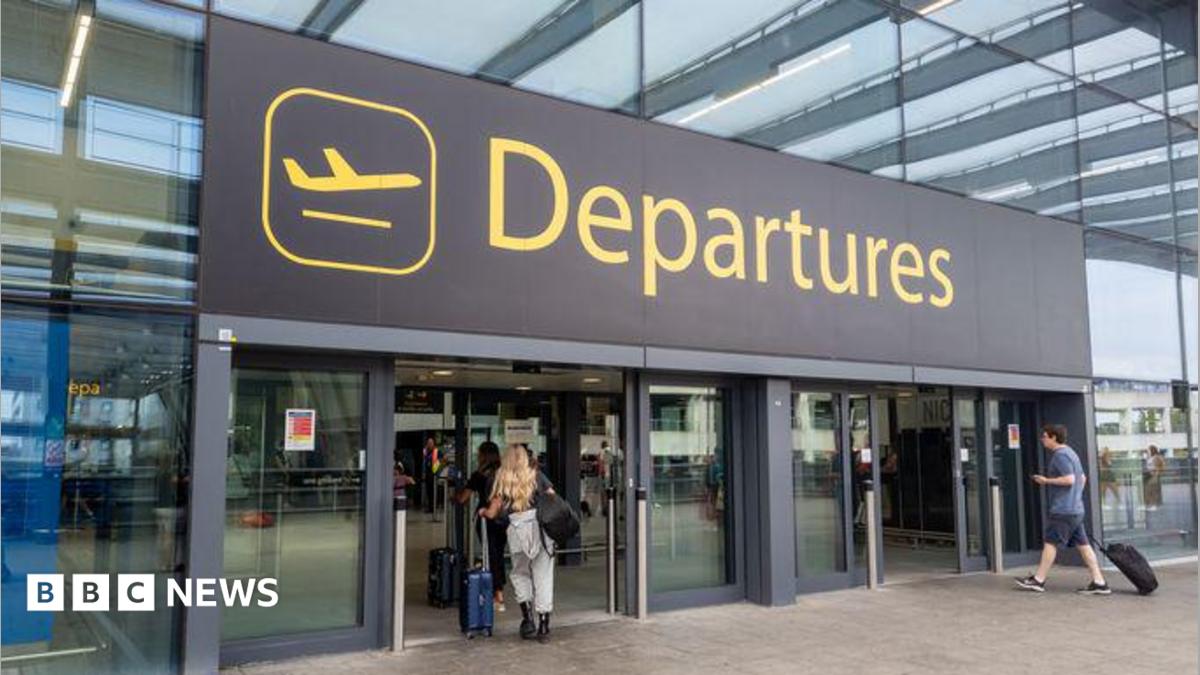
Gatwick's Unexpected Dry Spell: What Just Happened at the UK Airport?
Imagine preparing for your much-anticipated flight, only to arrive at one of the UK's busiest international airports and find it grappling with a crisis straight out of a disaster movie: no running water. That's the surreal reality facing thousands of passengers at Gatwick Airport today, as a major water supply issue has crippled both its North and South terminals. From non-functional toilets to shuttered restaurants, the disruption is widespread, turning routine travel into a logistical nightmare.
The Immediate Impact: Toilets Out, Restaurants Closed, Passengers Stranded at Gatwick
The scale of the problem is significant. Reports from inside the terminals paint a picture of utter inconvenience:
- Toilets are out of order: A fundamental amenity, suddenly unavailable, leading to immense discomfort.
- Restaurants and lounges are closed: Travelers are left with limited options for food and drink, with only shops remaining open.
- Bottled water is being distributed: An emergency measure to cope with the lack of tap water for drinking and hygiene.
"For people who need to go to the toilet, this isn't good," commented Paul Lee, a passenger who spoke to the BBC, highlighting the basic human needs going unmet. The lack of clear, timely communication further exacerbated the situation for many, leaving them feeling stranded and uninformed. Former MP Michael Dugher even took to social media, lamenting not just the water shortage but the lack of seating options, with families forced to sit on the floor as amenities closed.
The Root Cause: Power Outage Hits Horley Water Treatment Plant, Affecting Gatwick
So, what's behind this unprecedented disruption? The airport confirmed via a statement on X (formerly Twitter) that the issue stems from a problem in the Horley area, which is affecting their supply. SES Water, the company responsible for the region's supply, shed more light on the situation.
According to a spokesperson for SES Water, a power outage at their Bough Beech Water Treatment Works is the primary culprit. This power failure has led to "a number of complications," resulting in low water pressure or a complete loss of supply for customers, including Gatwick Airport. Teams are reportedly working tirelessly to overcome these complications and restore normal service as quickly as possible. This highlights the fragility of our modern infrastructure; a single point of failure can have cascading effects, especially on critical transport hubs.
Traveler Frustration: First-Hand Accounts from Gatwick Airport's Water Woes
The human element of this crisis is palpable. Passengers, many with tight schedules and long journeys ahead, are expressing significant frustration. The experience described by Paul Lee—no announcements, no visible bottled water distribution initially—underscores the immediate challenges faced by those on the ground.
The disruption isn't just about discomfort; it's about altering travel plans. Easyjet, a major airline operating from Gatwick, has already issued revised advice: bag drop desks are temporarily opening two hours before departure instead of three. The stark warning? "Please do not arrive earlier, as you will not be able to drop off your bags or enter the departure lounge until bag drop opens." This simple instruction has massive implications for passenger flow and airport logistics.
Why This Matters: A Ripple Effect on UK Travel Infrastructure and Passenger Experience
Beyond the immediate inconvenience, this Gatwick water crisis serves as a stark reminder of several critical points:
- Infrastructure Vulnerability: Even world-class facilities like Gatwick are reliant on basic utilities. A single power outage at a treatment plant can bring a major international gateway to a standstill.
- Passenger Experience is Paramount: In a competitive global travel market, airport functionality directly impacts passenger satisfaction and reputation. Fundamental service failures can severely erode trust.
- The Interconnectedness of Systems: A problem seemingly localized to a water treatment plant rapidly escalates to affect an entire airport's operations, impacting thousands of international travelers and their connecting journeys.
As teams work to restore the water supply, the incident at Gatwick will undoubtedly spark conversations about resilience planning for critical national infrastructure. For now, travelers heading to Gatwick are advised to heed the warnings: check with their airlines, do not arrive early, and prepare for significant disruption. This isn't just a minor hiccup; it's a stark demonstration of how easily modern conveniences can evaporate, leaving us to navigate the challenges with dwindling resources and rising frustrations.


