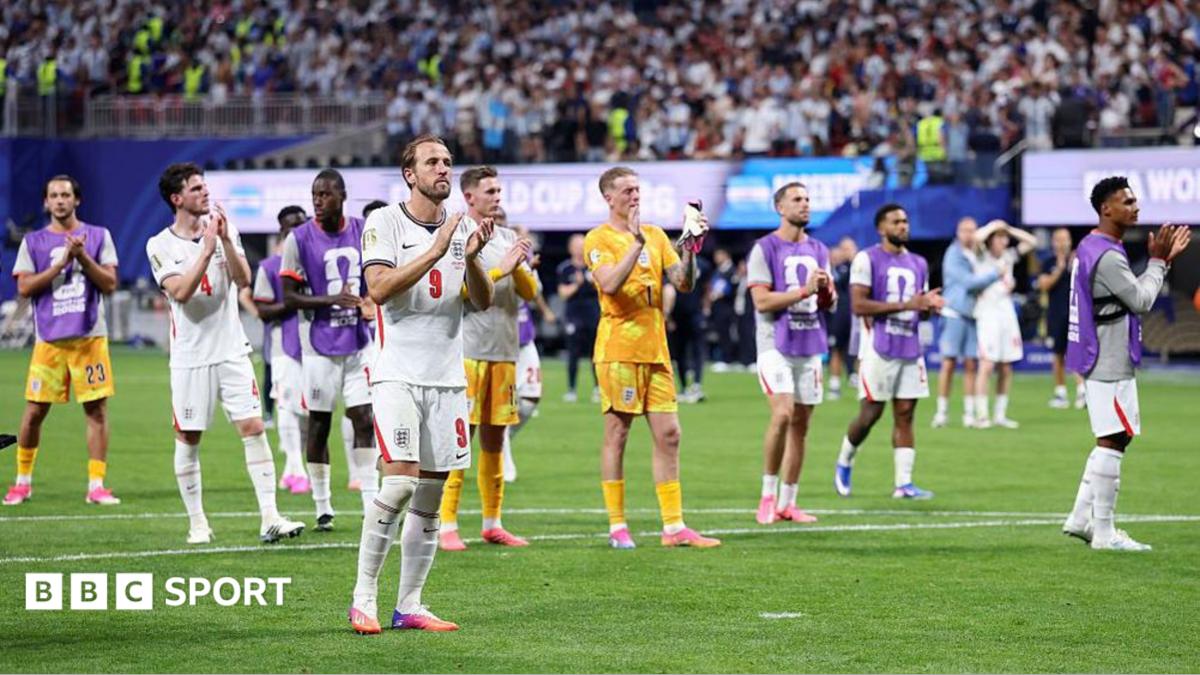
England's World Cup Agony: The Tactical Retreat That Sparked a Storm
The dream is dead. For at least another 64 years, England's men will not lift a World Cup trophy. Their agonizing 2-1 semi-final defeat to Argentina has left a nation heartbroken, but behind the tears lies a much more potent emotion: anger. Not just at the loss itself, but at how it happened. The post-match inquest isn't merely about missed chances; it's a full-blown tactical reckoning, with fingers pointing directly at manager Thomas Tuchel's game-defining decisions – and a growing chorus of internal dissent from his own squad.
The Fateful Defensive Shift: How England Ceded Momentum Against Argentina
For 55 glorious minutes, England was on the cusp of history. Leading 1-0, they seemed poised for their first men's World Cup final since 1966. Then, the script flipped. Argentina, predictably, pressed harder, but what followed from England was less a sturdy defense and more a full-blown retreat. Tuchel’s tactical shift, designed to protect the lead with a deeper back-five, inadvertently invited wave after wave of Argentine pressure, culminating in two decisive goals that snatched victory from the jaws of history.
This wasn't just a natural ebb and flow of a high-stakes match. Pundits, notably BBC Sport's Wayne Rooney, quickly laid the blame at the manager's feet, stating the defeat "started from the manager and the decisions he made." The sentiment inside the England camp, it turns out, echoed this frustration loud and clear.
Behind the Scenes: England Players Question Tuchel's World Cup Tactics
Whispers from the dressing room have now escalated into open concerns. Multiple sources confirm to WhyThisBuzz that a significant number of senior England players were deeply disappointed with the tactical approach in the final stages. They believe the team was instructed to drop too deep, surrendering the initiative entirely to Argentina.
While players acknowledge the natural instinct to protect a lead, a consensus is forming that Tuchel's substitutions and tactical adjustments actively exacerbated the defensive crouch. There's a strong belief that the team should have been allowed greater license to press higher, to at least relieve some pressure and offer a counter-threat. Instead, many felt trapped, resigned to simply clearing their lines and hoping for the best – a strategy some fundamentally disagreed with.
"We could have been bolder and braver," one insider suggested, lamenting the missed opportunity to strike a balance between defense and disrupting Argentina's rhythm. This isn't just common player-manager friction; this level of consternation, immediately after such a pivotal game, paints a troubling picture for Tuchel's long-term future with the Three Lions.
Tuchel's "DNA" Defense: A Controversial Take on England's Playing Style
Facing a barrage of criticism, Tuchel offered his own explanation, albeit one that has sparked further debate. He insisted that a deep retreat "was never the plan" and that he had encouraged his players to "step out, to be more active within the structure." Yet, he conceded, "we just struggled. We couldn't find any duels any more which was why we dropped deeper and deeper."
Most tellingly, Tuchel then ventured into what some see as a highly contentious area: the "DNA" of English football. "It's maybe not in our DNA like it is in the Spanish DNA or Argentinian or Brazilian DNA to take the ball, control the game and the ball, which is also a big problem," he stated.
This comment hits at the heart of the "WhyThisBuzz" analysis: why does this matter? For a manager brought in specifically to instill a winning, proactive tactical philosophy, suggesting England lacks the inherent "DNA" for ball control and game management is a profound admission – or an alarming excuse. It directly contradicts the very reason many believed he was the man to finally guide England from "nearly men" to champions, surpassing the achievements of Gareth Southgate.
What's Next for England Football? Unpacking the Aftermath and Tuchel's Future
The Football Association (FA) will, of course, conduct its customary post-tournament review. While a semi-final run is still considered an achievement, the circumstances of this loss – the internal dissent, the tactical questions, and Tuchel's controversial "DNA" comments – demand a deeper scrutiny.
The player-manager dynamic heading into the European Championship qualifying campaign is now undeniably fragile. Tuchel arrived with the reputation of a tactical mastermind, tasked with providing the final piece of the puzzle. But if key players believe his big-game decisions cost them a World Cup final, and if he believes their "DNA" is a barrier, then a fundamental disconnect exists.

