The Eastern Mediterranean is heating up, and the UK is making its presence felt. In a decisive move reflecting escalating regional tensions, Britain is deploying frontline warships and support vessels, placing them on high alert to safeguard its interests and citizens amidst the ongoing conflict involving Iran. This isn't just a routine naval exercise; it's a critical strategic pivot driven by a volatile geopolitical landscape.
Why is the UK Sending Naval Ships to the Eastern Mediterranean?
At the heart of this deployment is the Type 45 destroyer HMS Dragon, a formidable warship set to leave Portsmouth in the coming days. Her primary mission? To protect vital British assets, specifically Cyprus and the RAF Akrotiri airbase, which has already been targeted by Iranian-made drones. This isn't a pre-emptive strike, but a crucial defensive posture, aiming to deter further aggression and ensure the security of a key operational hub.
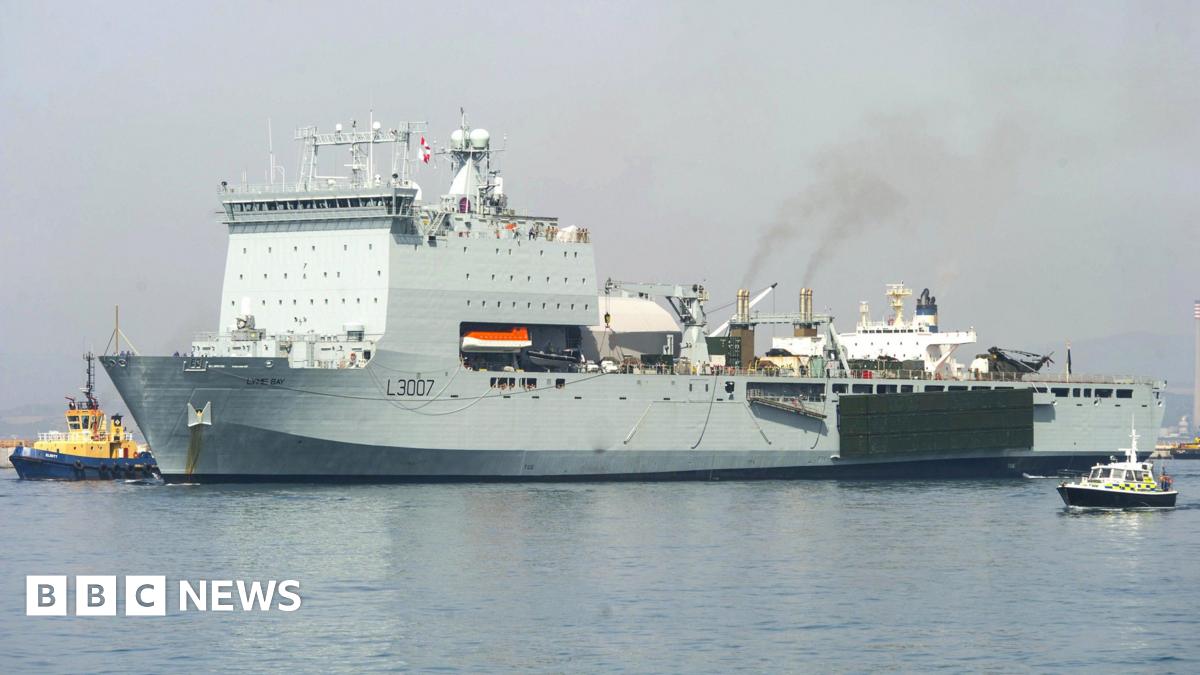
But HMS Dragon isn't going solo. The Royal Fleet Auxiliary (RFA) vessel Lyme Bay, a Bay Class landing ship, has been placed on "heightened readiness." Currently docked in Gibraltar, this support ship, equipped with an aviation platform and medical facilities, is poised for deployment to the Eastern Mediterranean. While the Ministry of Defence (MoD) stresses this is a precautionary measure, her capabilities make her ideal for humanitarian missions, including evacuating British nationals and providing critical medical aid should the situation further deteriorate.
Understanding the Escalation: Iranian Drones and Regional Instability
The immediate catalyst for this intensified readiness stems from a conflict that began on February 28, where numerous Gulf nations hosting US facilities have come under fire from Iranian missiles and drones. These attacks haven't spared civilian targets, with hotels and airports also being hit. This surge in hostile activity has directly impacted the safety of UK citizens in the region, prompting the government to arrange evacuation flights, with over 37,000 having been brought home so far.
The stakes are high. While the UK government has explicitly stated it is not joining the US and Israel in offensive operations against Iran, it has offered the US use of its airbases for what it terms "defensive strikes" against Iranian launchpads and missiles. It’s a delicate balancing act – protecting allies and nationals without being drawn into direct conflict.
Beyond the Waves: UK's Aerial Defense Strategy in the Middle East
The UK's response isn't confined to its naval forces. Air power is playing a significant role in countering the drone threat. The MoD confirmed the deployment of three Wildcat helicopters, specifically equipped with anti-drone capabilities, to Cyprus this week, alongside a Merlin helicopter.
Defence Secretary John Healey recently detailed in the House of Commons how RAF Typhoon fighter jets have already neutralized two Iranian drones – one over Jordan and another en route to Bahrain. Similarly, UK F-35s are actively destroying drones over Jordan, with British jets also conducting defensive sorties over the United Arab Emirates. Counter-drone units are also deployed to protect coalition bases in Iraq, underscoring a multi-faceted approach to regional defense.
Political Fallout: Is the UK's Response Strong Enough?
Despite these deployments, the UK government has faced criticism for its perceived slow response to the crisis. Conservative leader Kemi Badenoch voiced strong concerns, stating that the UK's actions were "projecting weakness" and that the government was merely "trying to catch arrows" rather than proactively defending its interests. Such critiques highlight the political pressure on Downing Street to demonstrate a robust and timely response to rapidly evolving threats.
What About the Aircraft Carrier HMS Prince of Wales?
Adding another layer to the UK's show of force, the aircraft carrier HMS Prince of Wales – one of the Royal Navy's two flagships – has also been placed on heightened readiness. Defence sources suggested its crew had been told to be ready to set sail within five days. However, the MoD clarified that this was not explicitly for a potential Eastern Mediterranean deployment, and the ship's scheduled assignment to the North Atlantic remains unchanged. This indicates a broader strategic readiness, rather than an immediate deployment to the current crisis zone, yet it signals the UK's capacity to respond if necessary.
The UK's move to bolster its presence in the Eastern Mediterranean isn't just about sending ships; it's a clear message. It’s a declaration of intent to protect its citizens and assets, to support regional stability, and to navigate a dangerously unpredictable geopolitical landscape with both caution and strength. The world is watching to see if these defensive deployments can truly make a difference in a region teetering on the brink.