Dhurandhar: The Revenge - Is Bigger Always Better in Bollywood Sequels?
When a film warns you, "you are not ready for this," it usually sets expectations for something groundbreaking. But Aditya Dhar's Dhurandhar: The Revenge doesn't just meet that expectation; it smashes it, then rebuilds it with more explosions, more blood, and an unrelenting political agenda. This nearly four-hour sequel aims to outdo its predecessor in every single department, from sheer volume to venom, leaving audiences to grapple with a sensory overload that's as exhausting as it is impactful. The question isn't whether you're ready, but if you're prepared for the headache.
Dhar, known for his masterful framing and cinematic fireworks, here seems to consciously abandon the clock and narrative control. In a world seemingly teetering on the brink of conflict, he taps into a visceral "bloodlust" among sections of the audience, ensuring a box-office triumph, yet simultaneously setting a potentially perilous precedent for the commodification of national sentiment.
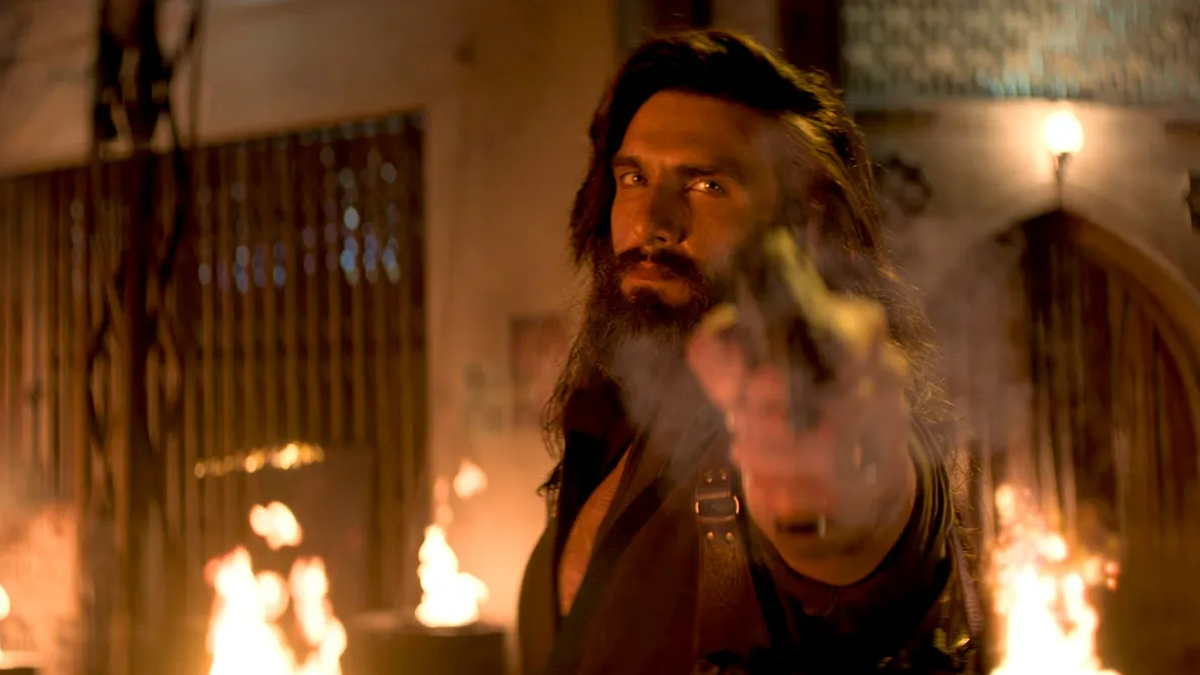
Ranveer Singh's Transformation: A Homegrown Rambo Steals the Show in Dhurandhar 2
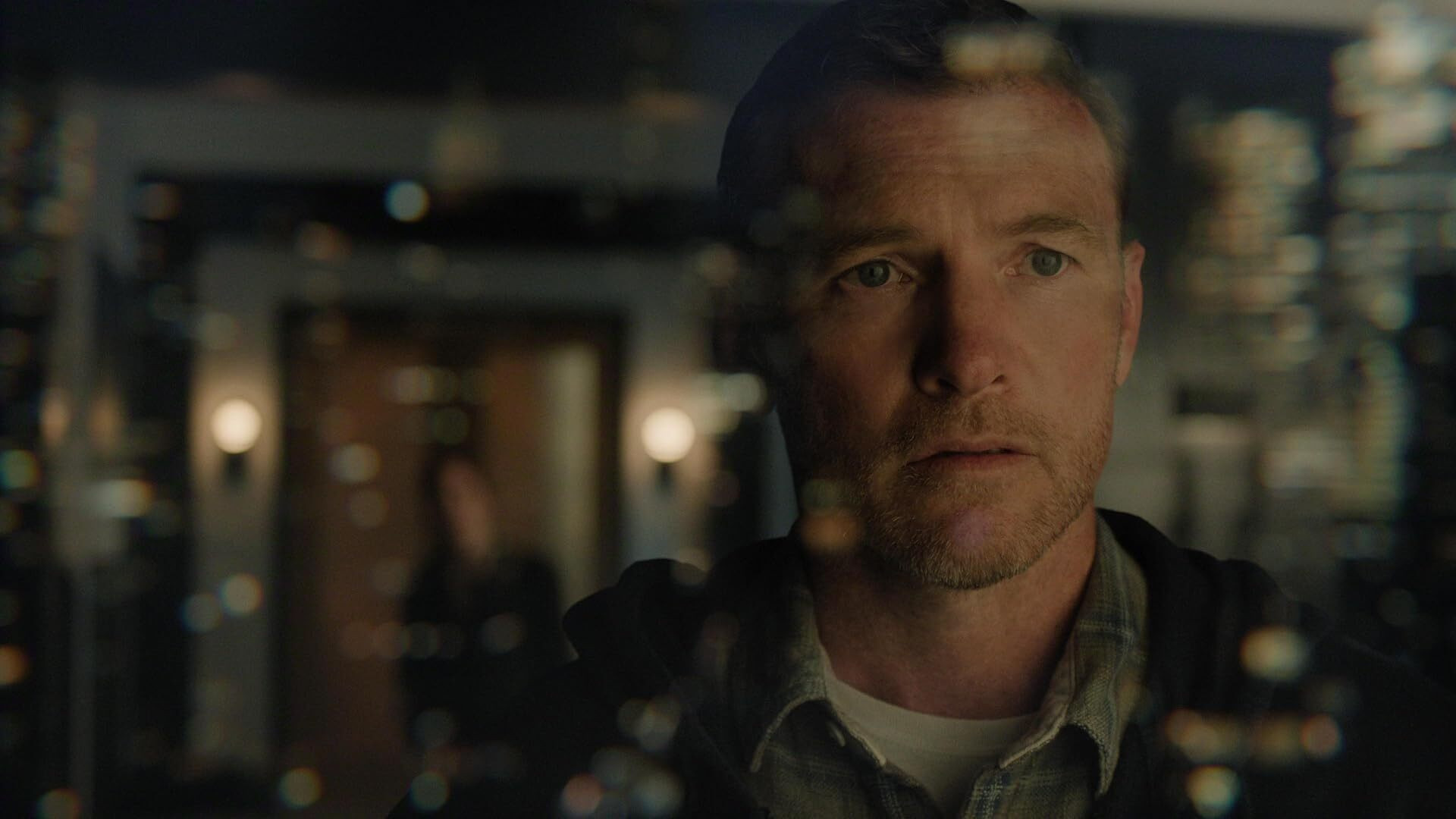
Picking up precisely where the first film's climax left off, the sequel plunges back into the relentless world of Jaskirat Singh Rangi (Ranveer Singh). Now deeply entrenched as Hamza Ali Mazari, an undercover Indian agent, he's risen to command Karachi's formidable Lyari underworld following the demise of gang lord Rehman Dakait (Akshaye Khanna).
Fueled by a profound personal tragedy and further radicalized by Ajay Sanyal (R. Madhavan), Hamza embarks on a brutal consolidation of power. His path is fraught with gang warfare, shifting allegiances, corrupt officials, and the escalating threats from SP Chaudhary Aslam (Sanjay Dutt) and ISI operative Major Iqbal (Arjun Rampal), the architect of terror networks targeting India. As Hamza infiltrates deeper into Pakistan's criminal-terror-political nexus, his mission blurs dangerously into a personal vendetta, forcing him to dismantle funding routes, eliminate key adversaries, and confront the profound psychological toll of living as a monster for his country.
The film's undeniable anchor is Ranveer Singh's electrifying performance. After being somewhat overshadowed in the original and constrained by a largely one-note character brief, here he's given the canvas to truly flex his acting muscles. Ranveer oscillates seamlessly between raw vulnerability, ice-cold calculation, and unhinged ferocity, almost single-handedly shouldering the film's gargantuan runtime. He emerges as a raw, home-grown Rambo, delivering a performance that is both captivating and terrifying.
Unpacking Aditya Dhar's Vision: When Extreme Violence Overshadows Narrative Depth
While Ranveer shines, Dhar’s directorial approach is a point of considerable contention. Dhurandhar: The Revenge is an exhausting revenge saga that often mistakes sheer length for profound depth. The screenplay largely revels in savagery, serving almost as an extended explainer for the first part, seemingly addressing critics of Dhar’s intense detailing.
Dhar's style leans heavily into gratuitous violence, crafting a world so relentlessly brutal that one might infer the filmmakers intend to desensitize the audience to the stakes, instead directing focus solely on the blood-curdling sequences. This often makes the film feel less like a cohesive theatrical experience and more like an over-indulgent web series, with sequences that actively impede mood and momentum. Strip away the addictive background score, and the mise-en-scène risks devolving into a monotonous display of various ways to maim or decapitate an adversary. The language frequently descends into crassness, and the underlying motive appears to be justifying controversial government policy decisions, even going so far as demonetization.
Dhurandhar 2's Political Core: Blurring Lines Between Patriotism and Propaganda
Perhaps the most talked-about, and controversial, aspect of Dhurandhar: The Revenge is its overt political messaging. The film’s narrative pulses with an unambiguous political ideology, functioning as a near-unabashed mouthpiece for the ruling establishment. It deliberately blurs the lines between "Indians" and "Hindus," and between "Pakistani" and "Indian Muslims," while painting the Opposition and non-governmental organizations as complicit with neighboring terror networks. This storytelling, embedded firmly within a political manifesto, raises significant questions about its intent.
While it aims to champion a certain vision of "New India" by lionizing aggressive counter-terror operations, surgical strikes, and dismantling terror networks as moral imperatives, it also risks simplifying complex geopolitics into a black-and-white jingoism. More concerning is its tendency to commodify national grief from past terror attacks into entertainment, thereby reinforcing divisive binaries. The intense focus on Pakistan often feels like those dramatic news narratives on electronic media, potentially designed to divert attention from domestic political issues. However, the film also presents some curious internal inconsistencies, such as revealing Indian agents have been active in Pakistan's political setup for over 40 years, which surprisingly contradicts some of the ruling regime’s own populist narratives.
Beyond Ranveer: Supporting Cast & Soundtrack in Dhurandhar: The Revenge
Beyond Ranveer Singh's towering performance, the supporting cast delivers. Arjun Rampal, as Major Iqbal, is solid but doesn't quite exude the charismatic menace that Akshaye Khanna brought to the first film. Sanjay Dutt retains his signature swagger, while Rakesh Bedi provides much-needed, albeit rare, moments of levity amidst the relentless bloodbath. Sara Arjun, as Yalina, tasked with upholding humanity in a testosterone-laden environment after being honey-trapped in the first part, offers a commendable portrayal of a character steeped in tears and sobs.
Sashwat Sachdev’s soundtrack, unfortunately, struggles to match the frenetic energy of its predecessor. The inclusion of repurposed old songs like Boney M’s "Rasputin," Bappi Lahiri’s "Tamma Tamma," and Kalyanji Anandji’s "Tirchi Topiwala" provide sporadic moments of fun but often feel "slapped on" rather than organically integrated. They evoke more reverence for the original creators than for Sachdev’s contemporary interpretation. Even the much-hyped "Bade Sahab" subplot ultimately devolves into a rehashed Dawood Ibrahim trope that has arguably run its course. For a film that prides itself on walking the fine line between reel and real, some of its latter conjectures border on the laughable.