Crimson Desert's Grand Ambition: Can One Game Do It All?
The video game industry has been grappling with a paradox. As the cost of developing "triple-A" titles skyrockets, publishers often play it safe, leading to a perceived lack of innovation. Enter Crimson Desert, the highly anticipated action-adventure RPG from South Korean developer Pearl Abyss, the creators behind the successful Black Desert Online. After years of anticipation since its 2020 trailer, this game isn't just asking for a seat at the table; it's asking if it can be the entire table.
The premise is audacious: what if a graphically stunning, big-budget game tried to incorporate every beloved gameplay mechanic and idea from popular titles across genres? The result is a sprawling, content-rich experience that some reviewers are calling a "feast," while others find it a "messy buffet" with too many undercooked elements. This isn't just about a new game; it's a test case for the future of AAA development.
From MMORPG Roots to a Single-Player Odyssey in Pywel
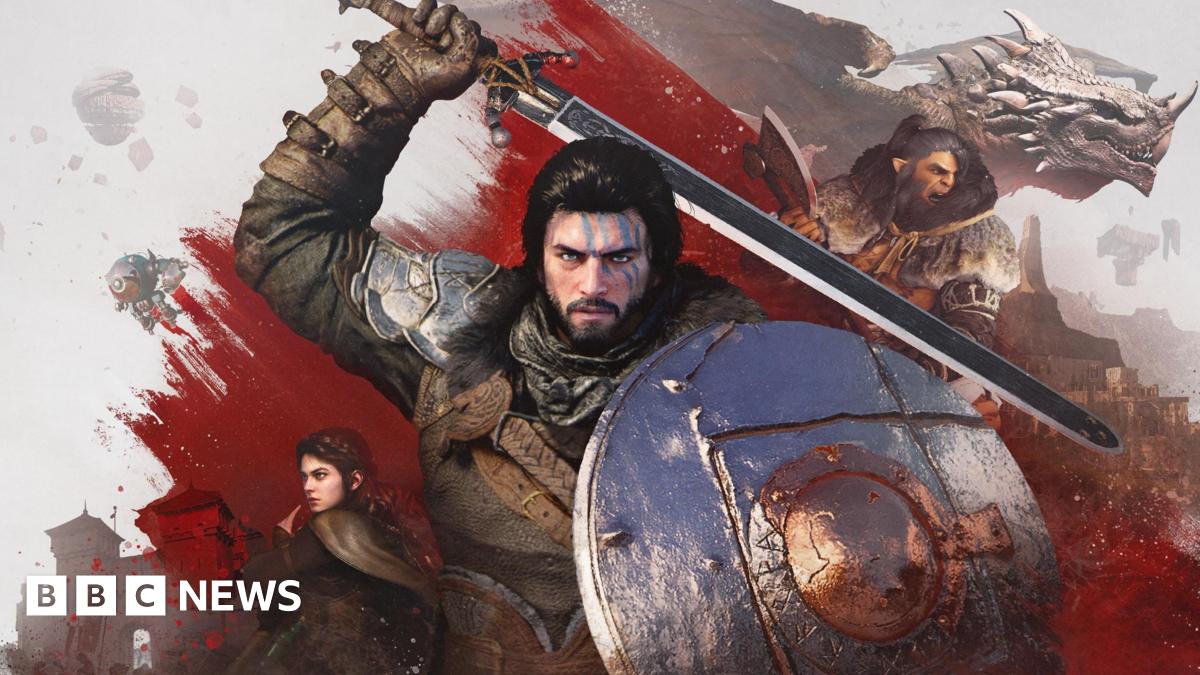
Initially conceived as a prequel to Pearl Abyss's massively multiplayer online RPG (MMORPG) Black Desert Online, Crimson Desert pivoted significantly. The developers instead opted for a dedicated single-player adventure set in the fantastical world of Pywel. Players step into the shoes of Kliff, a warrior from the Greymanes clan, who embarks on a quest to reunite his dispersed comrades after acquiring mystical powers.
The comparisons to other titans of the gaming world are immediate and numerous. Reviewers have noted a narrative reminiscent of Game of Thrones, while the game's vast, explorable world — claimed to be twice the size of Skyrim's map — features floating islands that evoke The Legend of Zelda: Tears of the Kingdom. This blend of influences isn't accidental; it's a core design philosophy for Crimson Desert.
How Crimson Desert Blends Beloved Gameplay Elements
Pearl Abyss didn't just borrow ideas; they built a smorgasbord of activities and systems. Kliff can delve into a dizzying array of side quests and mundane pursuits, mirroring the open-world freedom of The Witcher 3 and Red Dead Redemption 2. Want to ignore the main quest and go fishing, arm wrestling, or even tame animals? Crimson Desert has you covered.
Combat systems have been likened to the fast-paced, hack-and-slash action of Devil May Cry, while the ability to switch between multiple playable characters during gameplay draws parallels to Grand Theft Auto V. The sheer volume of content is staggering, with reviewers estimating dozens, if not hundreds, of hours of gameplay. But here lies the million-dollar question: does more content always equate to a better game?
Critical Reception: Why Reviewers Are Divided on Crimson Desert's Grand Vision
The reviews for Crimson Desert are, much like the game itself, a mixed bag. On Metacritic, which aggregates scores from various publications, the game holds a "generally favourable" 78 out of 100. This indicates a broad appreciation for its technical prowess and ambition, but also highlights a lack of unanimous critical acclaim.
The Unanimous Praise: Graphics, Scope, and Ambitious Design
What nearly every critic agrees on is the game's stunning visual fidelity and incredible scope. The varied environments, meticulous attention to detail, and sheer graphical power of Crimson Desert have earned widespread praise. Pearl Abyss has clearly invested heavily in creating a beautiful and vast world, and it shows. The ambition behind the project is undeniable, pushing the boundaries of what a single-player RPG can offer.
The Contentious Debates: Story, Cohesion, and the "Maximalist" Trap
However, bringing all these disparate elements into a cohesive, enjoyable whole proved to be the sticking point for many. While Forbes' Paul Tassi lauded its "unprecedented scale" and spent 100 hours without boredom, giving it a 9.5/10, he also noted that the story was the "weakest element."
GamesRadar's Joel Franey, in a four-star review, called the game "messy" but acknowledged "elements of genius and wonder" that made the experience worthwhile. On the other end of the spectrum, Shacknews' Will Borger was far less forgiving, stating that the game's "maximalist" approach often worked against it, making him "wish I was doing literally anything else" for half his playtime. He argued that Crimson Desert "wastes your time."
This dichotomy highlights a critical challenge for modern game design: how much content is too much? And can a game be truly great if its core narrative falls flat, even if surrounded by endless activities?
Industry Impact: Stock Dips, Sales Soar, and the Black Myth Wukong Comparison
Despite the mixed critical reception, Crimson Desert has already made a splash. Korean media reported a significant 30% drop in Pearl Abyss's stock price following the reviews, reflecting investor jitters over the game's reception. However, this hasn't deterred players, as Crimson Desert rapidly climbed to the number one spot on Steam's top seller chart, indicating strong initial sales.
This scenario isn't unprecedented. The game draws parallels to another highly anticipated Asian-developed blockbuster, Black Myth: Wukong, which also had a Metacritic score of 81/100 but became one of the fastest-selling games ever, moving 20 million copies in a month. This suggests that public appetite for ambitious, visually stunning RPGs remains high, even if critics are divided on their overall execution.
As players globally dive into the world of Pywel, the real verdict on whether Crimson Desert's grand gamble pays off will ultimately come from the community. Is it a sprawling epic worth hundreds of hours, or an overambitious title that bites off more than it can chew? For now, the debate rages on.