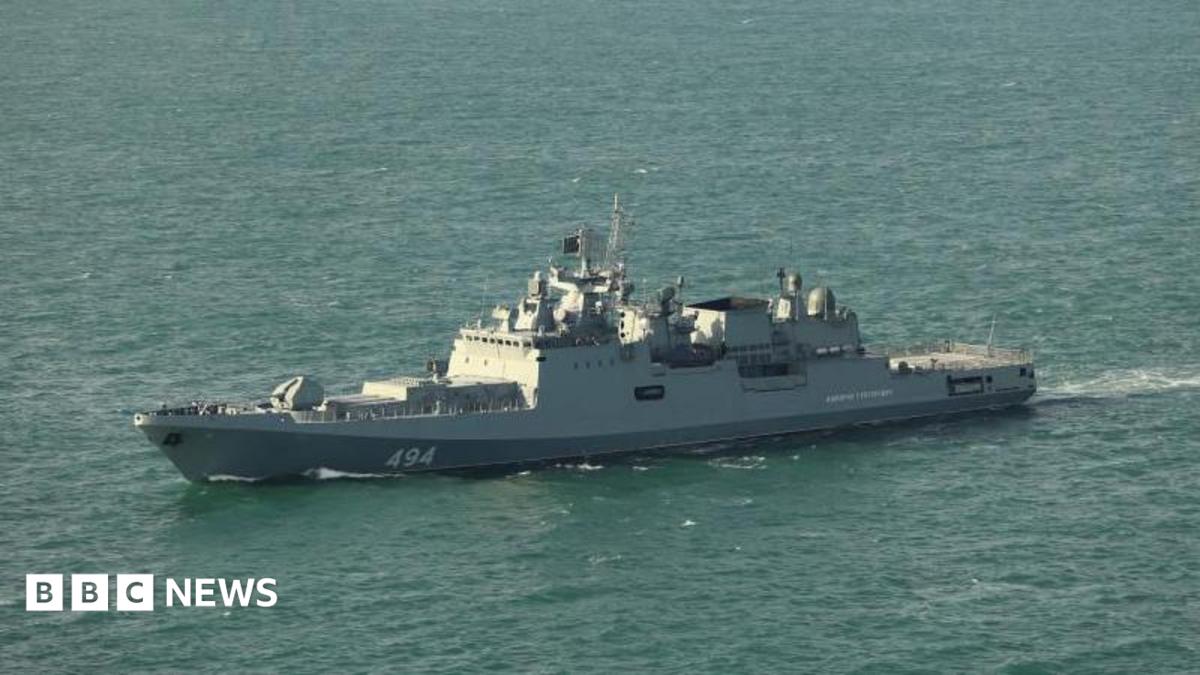
Tensions Flare as Russian Warship Fires Warning Shots Near UK Yacht
The English Channel, one of the world's busiest shipping lanes and a critical artery for global trade, found itself at the heart of an alarming incident this week. Reports suggest a Russian warship, identified as the frigate Admiral Grigorovich, fired warning shots near a UK-registered yacht, sparking an immediate investigation by the British Ministry of Defence (MoD). This isn't just a minor blip on the radar; it’s a direct challenge to the routine and expected conduct in international waters, raising significant questions about naval protocol and regional stability.
What Exactly Happened in the English Channel Incident?
The incident unfolded on Tuesday morning, around 11:40 AM BST, in the stretch of water between the Isle of Wight and Normandy. According to reports received by British authorities, the UK-registered yacht was approximately 20 nautical miles south of the Isle of Wight – just outside UK territorial waters – when the Russian vessel allegedly discharged warning shots.
The shots were reportedly fired from a distance of about 500 yards (457 meters) from the civilian yacht. While thankfully there were no reported injuries or damage to the vessel, the mere act of a warship firing live ammunition in proximity to a civilian craft is inherently unsettling and demands immediate scrutiny. A Ministry of Defence spokesperson confirmed, "We are investigating reports of an incident in the Channel."
Why Did the Admiral Grigorovich Fire Warning Shots, and What Are the Implications?
The crucial question remains: why were these warning shots fired? The raw details don't offer an immediate explanation for the Russian frigate's alleged actions. However, any use of force, even "warning shots," by a military vessel against a civilian one is a serious matter. It can be interpreted as an aggressive maneuver, a perceived threat response, or even a miscalculation with potentially disastrous outcomes.
For the UK, this incident is a direct test of its maritime security posture. The English Channel is regularly transited by Russian warships, with Royal Navy vessels routinely monitoring their passage as part of standard protocol. Indeed, it's understood that HMS Mersey was shadowing the Admiral Grigorovich at the time of Tuesday's incident, and both HMS Tyne and HMS Mersey had tracked the frigate over the weekend in what was described as a "routine operation." The contrast between "routine monitoring" and "warning shots fired" is stark and underscores a potential shift in dynamic.
Is This Channel Standoff Connected to Recent UK Naval Operations?
Adding another layer of intrigue, this incident occurred just days after a significant operation in the Channel. On Sunday, Royal Marine Commandos intercepted a Russian "shadow fleet" tanker carrying sanctioned oil – the first such operation by the British military. This bold move highlighted the UK's commitment to enforcing international sanctions and patrolling its vital waterways against illicit activity.
Naturally, the immediate public assumption might be a tit-for-tat retaliation. However, British officials have been quick to downplay any direct link, suggesting the two events are not seen as connected. While this official stance aims to de-escalate, it doesn't erase the underlying tension. The sheer proximity in time and location of these two events involving Russian vessels in the Channel cannot be ignored by the public or analysts.
Why This Buzz Matters: Navigating a New Era of Naval Posturing
This isn't just about a yacht and a frigate; it's a stark reminder of the escalating geopolitical tensions playing out in seemingly mundane maritime spaces. The English Channel is not only a symbol of international trade but also a frequent stage for naval diplomacy – or, in this case, potential friction.
Here's why this incident is more than just a passing news item:
- Safety of Civilian Shipping: Even without damage, the act of firing warning shots near a civilian vessel sets a dangerous precedent and raises concerns about the safety of maritime traffic in international waters.
- International Law and Protocol: The incident will undoubtedly lead to questions about adherence to the UN Convention on the Law of the Sea (UNCLOS) and other international maritime laws governing the conduct of warships.
- Escalation Risks: In a volatile global climate, even minor incidents can have outsized implications. Every "warning shot" risks misinterpretation or an accidental escalation that no nation desires.
- National Sovereignty and Defence: For the UK, ensuring the safety of its adjacent waters and the unchallenged passage of shipping is a cornerstone of its defence policy. This event will prompt a thorough review of existing protocols and responses.
As the Ministry of Defence continues its investigation, the world watches. The English Channel, often seen as a calm highway for commerce, has once again become a point of geopolitical interest, highlighting the fine line between routine naval presence and potential confrontation. What happens next, and how these inquiries conclude, will send important signals about the future of maritime security in Europe's busiest waterway.