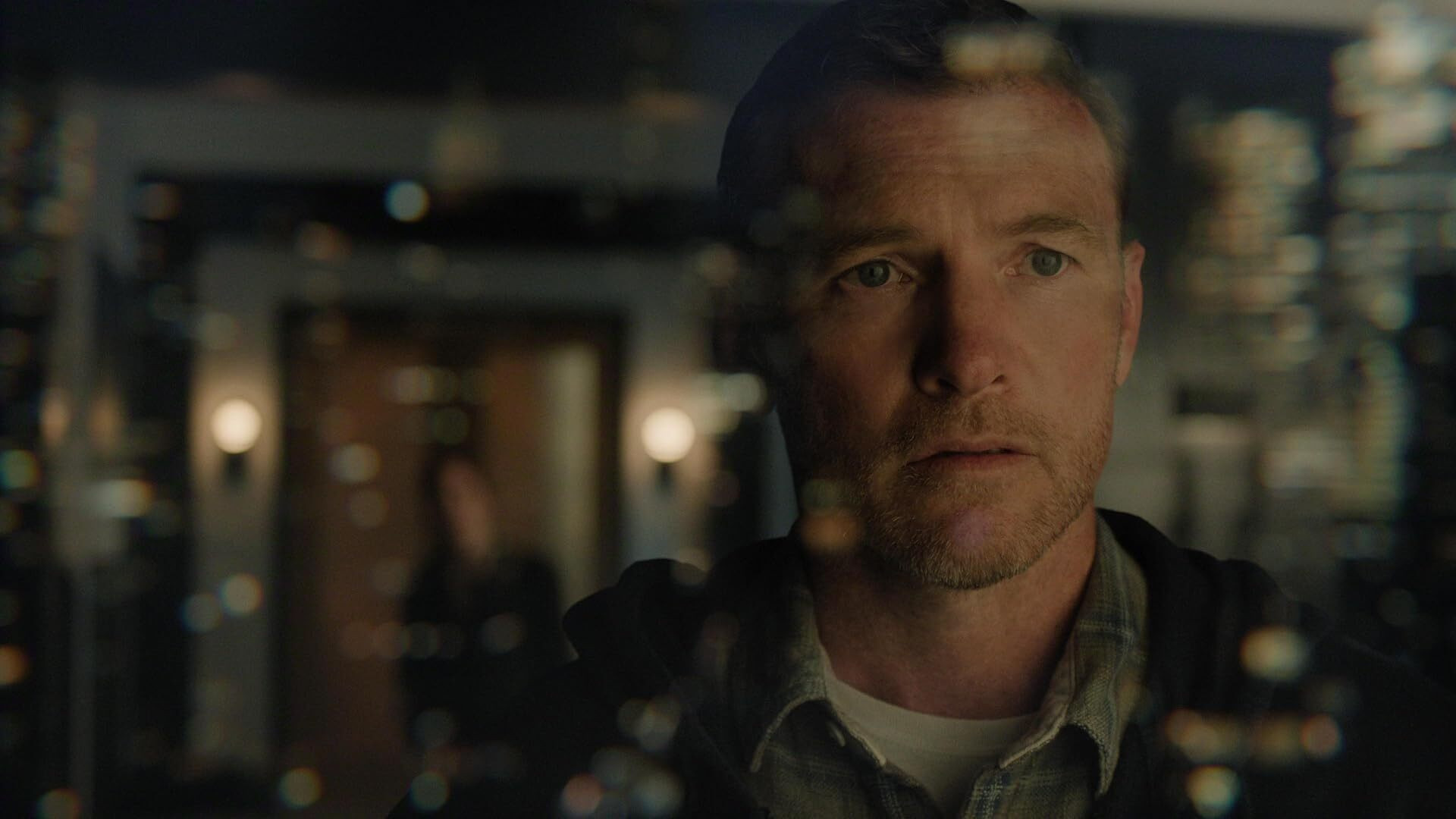
Cape Fear 2026: How a Classic Thriller Was Reborn for the Digital Age
"Ever look around and wonder if we deserve all this?"
That loaded question, whispered amidst the opulent comfort of a sprawling mansion, perfectly sets the stage for the latest, and arguably most unsettling, incarnation of John D. MacDonald’s classic psychological thriller, The Executioners. Now hitting screens as a 10-part series titled Cape Fear, this isn't just a remake; it's a chilling mirror held up to our hyper-connected, deeply distrustful modern world.
We've seen Cape Fear before. Robert Mitchum and Gregory Peck set the benchmark in 1962, followed by Martin Scorsese's intense 1991 remake with Robert De Niro and Nick Nolte, which upped the ante on moral ambiguity. But now, creator Nick Antosca, with executive production muscle from cinematic giants Martin Scorsese and Steven Spielberg, has plunged the story into a swamp of contemporary anxieties, crafting a wild ride that promises to leave you utterly rattled.
Javier Bardem's Max Cady: The Definitive Portrayal of a Terrifying Villain?
Let's cut straight to the chase: Javier Bardem as Max Cady is a force of nature. He's not just playing the role; he's inhabiting it with a joyous, terrifying relish that will likely become the definitive portrayal. Where De Niro's Cady was a primal, tattooed engine of vengeance, Bardem brings a nuanced, almost charming menace. For fleeting moments, he's convincing, even sympathetic – before twisting back into something genuinely monstrous. It's a performance so unnervingly complex, it makes previous iterations feel almost… quaint. Forget the pantomime; this Cady is real, insidious, and absolutely relentless.
Starring opposite Bardem are Amy Adams as Anna Bowden and Patrick Wilson as Tom Bowden, the seemingly perfect lawyer couple whose lives are about to unravel. This iteration introduces a crucial, game-changing twist: Cady was jailed for his wife's murder after Anna advised him to plead guilty, a gamble that backfired. Adding fuel to his simmering rage? Anna subsequently married Tom, the very prosecutor who put Cady away. Seventeen years later, with new evidence leading to his exoneration, Cady is free, and his carefully cultivated vengeance is finally unleashed.
Beyond the Classic Setup: Unpacking the Bowdens' Dark Secrets
The brilliance of this new Cape Fear lies in its willingness to muddy the waters. Anna remains convinced of Cady's guilt, but a terrifying question emerges: did she – or she and Tom – actively manipulate events to secure his conviction? Their hushed, coded conversations, particularly one overheard by their daughter Natalie (Lily Collias), hint at far darker secrets than Cady’s initial crime. The lines between good and evil, victim and perpetrator, are not just blurred; they're actively erased, plunging the Bowden family into a moral abyss of their own making.
The destruction of the Bowdens isn't a sudden explosion; it's a slow, meticulous unraveling. From ominously drowned skunks in the pool to constant false alarms and the increasing vulnerability of their son Zach (Joe Anders), Cady’s presence is a creeping dread. As the series progresses, the body count rises, and even seemingly innocent new friendships, like Natalie's with a girl capable of terrifying her own mother, weave into Cady’s intricate web, leaving viewers questioning how many more twists and turns this story can possibly take. Expect to see clever nods to the 1962 and 1991 films, with iconic scenes and even actors from previous versions subtly integrated to heighten the disorientation.
How 'Cape Fear' 2026 Unpacks Modern Anxieties: AI, Catfishing, and Cancel Culture
What makes this Cape Fear truly resonate in 2026 isn't just its phenomenal acting or immaculate direction; it's how seamlessly it integrates every hot-button issue of our modern age. This isn't just a psychological thriller; it's a cultural commentary.
The plot cleverly leverages:
- The possibilities of AI: How artificial intelligence can be weaponized for manipulation and surveillance.
- The phenomenon of catfishing: The terrifying ease with which identities and realities can be fabricated online.
- Cancel culture and online rumors: The rapid, destructive power of social media to dismantle reputations and lives.
- Our deepening mistrust in systems: The erosion of faith in institutions we once believed would protect us – law, justice, even reality itself.
This new series argues that our last remaining sanctuary, the sanctity and safety of the family unit, is now more fragile than ever. When the walls of trust crumble, both from external threats and internal secrets, what's left?
Antosca’s direction is a masterclass in tension, pushing the boundaries of credulity without ever snapping them. And for those who love a good scare: it never forgets the power of the jump scare. Dear God, does it never forget. By the third episode, if you don't feel the need for your own microdosing habit to cope with the pervasive dread, then you might just be Max Cady himself, and we're running far, far away.
Cape Fear 2026 isn't just entertainment; it’s a chilling, analytical exploration of where we stand as a society, wrapped in a genuinely terrifying package. Don't miss it.