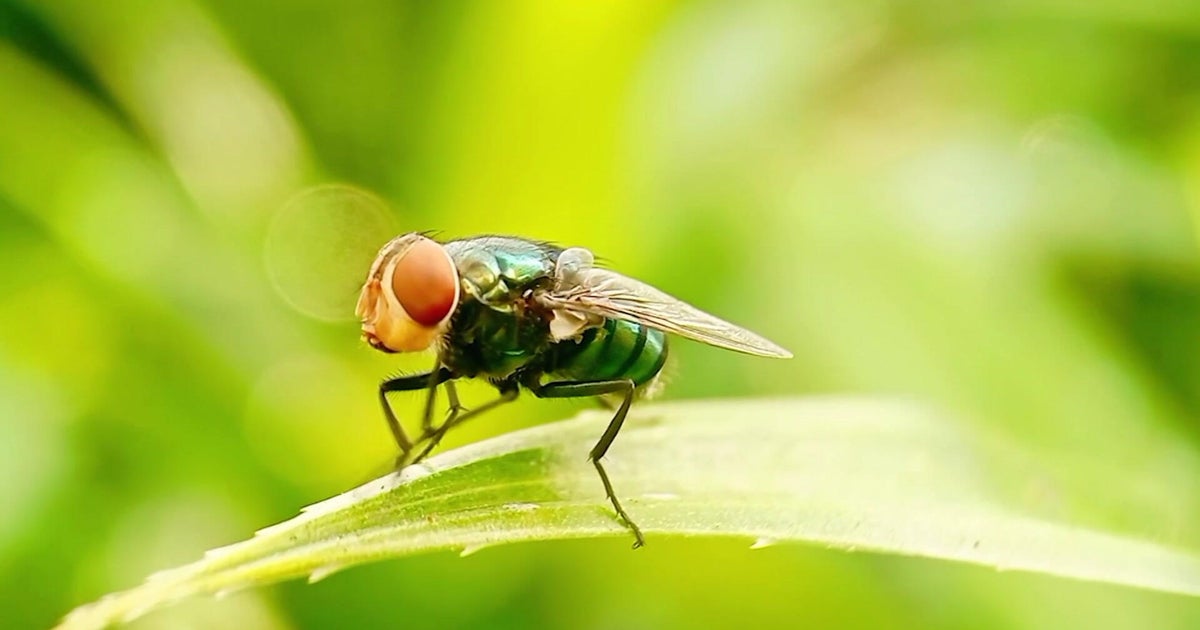
The Silent Invasion: Flesh-Eating Screwworm Just Miles from Texas
Hold the phones, folks, because something truly nasty is knocking on America's back door. The dreaded New World screwworm, a parasitic fly with a taste for living flesh, has just been confirmed a mere 25 miles from the U.S. border in Mexico's Coahuila state. This isn't just another bug; it's a major red flag for farmers, public health officials, and frankly, anyone who cares about things that aren't slowly eaten alive from the inside out.
What is the New World Screwworm and Why Is It Such a Problem?
Imagine a fly that doesn't just buzz around your picnic; it seeks out wounds or natural openings on warm-blooded animals – and yes, that includes humans – to lay its eggs. Once hatched, these larvae, or "screwworms," don't just feed on dead tissue. Oh no. They burrow deep, consuming healthy, living flesh, causing excruciating pain, severe tissue damage, and if left untreated, often death.
The Centers for Disease Control and Prevention (CDC) confirms this gruesome reality: these parasites can target eyes, ears, nose, mouth, or any open cut, devouring tissue as they grow. Historically, the New World screwworm was eradicated from the U.S. decades ago, a monumental achievement that freed American livestock from this devastating pest. But its recent, aggressive march north through Central America and Mexico is threatening to undo that victory.
The Alarming Trend: Screwworms Creeping Closer to the US Border
This isn't an isolated incident. The latest detection in a 5-year-old goat in Coahuila, a state that shares a long border with southwestern Texas, marks the closest proximity to U.S. soil since at least last September. The U.S. Department of Agriculture (USDA) is currently tracking 32 cases in Coahuila alone, with 19 actively posing a threat.
But the problem isn't confined to a single state. Across Mexico, over 26,000 screwworm cases have been identified, with more than 2,700 still active. Texas Agriculture Commissioner Sid Miller had already sounded the alarm in April, reporting a detection just 60 miles from the U.S. border. State officials have been issuing warnings to outdoor enthusiasts since late 2024, highlighting the escalating danger.
Is the US at Risk? Understanding the USDA's Stance on Screwworm Threat
The USDA maintains that the New World screwworm is "not currently present" stateside and the "current risk to livestock, other animals, and people in the United States remains very low." While this offers a degree of reassurance, the relentless northward progression of the parasite begs the question: how long can that "very low" risk hold?
History offers a chilling precedent. Just last year, the first human case of a New World screwworm infestation in the U.S. was confirmed. A traveler returning to Maryland from El Salvador was found to be infected. While the individual recovered and no further transmission was detected, it was a stark reminder that international travel can bypass even the most stringent border defenses.
Why This Buzz Matters: Protecting American Livestock and Public Health from Parasites
The implications of the screwworm re-establishing itself in the U.S. would be dire. The economic impact on the livestock industry – cattle, sheep, goats, and pigs – would be immense, requiring extensive and costly eradication efforts. Beyond the financial toll, there's the ethical concern of animal welfare, as infestations cause horrific suffering.
For humans, while rare, direct infection is a severe medical emergency. The fact that the parasite is pushing farther and farther north from its traditional South American and Caribbean habitats underscores a worrying trend. This isn't just a Mexican problem; it's a cross-border challenge demanding aggressive vigilance and preventative measures.
The USDA is providing twice-weekly updates on new cases found within 400 miles of the U.S. border, a clear indication of the seriousness with which this threat is being monitored. For now, the U.S. remains screwworm-free, but with a flesh-eating menace mere miles away, the watch has never been more critical. The buzz around this parasitic fly is a warning we can't afford to ignore.


