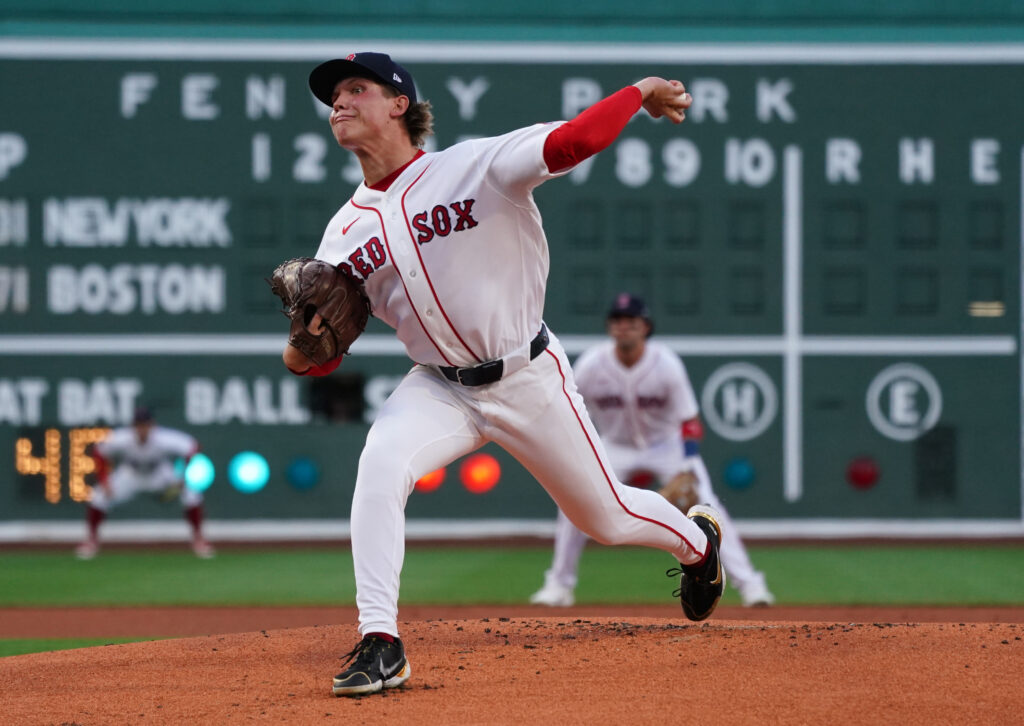
The baseball hot stove just flared up in a major way, but not in the way anyone expected. In a stunning one-for-one swap, the Boston Red Sox are reportedly sending their promising young left-hander Connelly Early to the Washington Nationals in exchange for infielder Curtis Mead. This isn't just a mid-season roster tweak; it's a bold gamble by two teams firmly entrenched in the playoff hunt, leaving a trail of furious debate in its wake.
Why This Red Sox-Nationals Trade Shakes Up the Playoff Picture
Let's cut to the chase: both the Red Sox and Nationals are looking to solidify their postseason bids, and this trade is a massive bet on filling specific needs. Boston currently clings to the final AL Wild Card spot, desperate for offensive firepower and a solidified infield. Washington, a surprising contender just two games out of a playoff berth, boasts a potent offense but has been patching together a starting rotation with duct tape and prayers.
This deal isn't just about two players; it's a strategic chess match. Are the Red Sox sacrificing a valuable young arm for an unproven bat, or are the Nationals giving up a breakout star for an injury-prone pitcher? Let's dive into the core of the deal.
Connelly Early: The Young Arm Heading to Washington
At just 24, Connelly Early represents exactly what the Nationals crave: a young, controllable, high-upside starting pitcher. Despite a recent July elbow inflammation scare, Early has posted a respectable 3.44 ERA through 17 starts in his first full big-league season. He's back on the mound and, once healthy, is projected to slot immediately into Washington's top three starters alongside All-Star Foster Griffin and former top prospect Cade Cavalli.
Why is this a big deal for D.C.? The Nats' rotation beyond their top two has been a revolving door of bulk relievers and openers. Early's arrival could stabilize the staff, giving them a legitimate shot at deeper playoff run. While his strikeout and walk rates have regressed slightly from his minor league days, and advanced metrics like SIERA (4.04) and xFIP (4.14) suggest some potential for regression, his run prevention remains solid. Crucially, the Nationals gain five years of team control beyond this season, securing a vital piece for their long-term future.
Early burst onto the scene last September with an 11-strikeout debut, showcasing the raw talent that Boston's system had developed. He earned his rotation spot this year and has largely delivered, making him a highly coveted asset.
Curtis Mead: The Resurgent Bat Boston Is Banking On
On the other side of the ledger, the Red Sox are acquiring 25-year-old infielder Curtis Mead. Mead's journey to this moment has been a winding one. Once a top prospect, he bounced from the Rays to the White Sox before landing with the Nationals in a minor trade. What seemed like a low-risk pickup for D.C. has blossomed into one of the shrewdest moves of President Paul Toboni's tenure.
Mead's transformation this season has been nothing short of remarkable. After hitting a measly five home runs in his first 152 big-league games across previous stops, he's crushed 17 dingers this season alone, alongside an excellent 135 wRC+ in 322 plate appearances as Washington's primary third baseman.
His resurgence isn't just about luck; it's about a refined approach at the plate. The Nationals' coaching staff helped Mead chase fewer pitches, whiff less, and attack pitches in the strike zone more aggressively. This led to a sub-20% strikeout rate, a healthy 11.5% walk rate, and significantly improved contact quality. His hard-hit rate has soared to 42.5%, and his barrel rate has more than doubled.
For the Red Sox, Mead likely slots in at third base, potentially shifting Caleb Durbin to second. Boston is hoping his newfound power and plate discipline translate directly to Fenway Park, providing a much-needed right-handed bat in their lineup.
Analyzing the Trade's Impact: Who "Wins" This Deal?
This trade has lit up the comment sections and social media, with fan bases sharply divided.
For the Nationals, it feels like a resounding victory. They’ve turned a player they acquired for little into a young, controllable starting pitcher who directly addresses their biggest weakness. While Mead's offensive breakout was undeniable, his defensive metrics (-2 Defensive Runs Saved, -4 Outs Above Average at third base) were underwhelming. With prospect Brady House (who had been struggling but is now red-hot in the minors) ready to reclaim third base, the Nats appear to have sold high on Mead to acquire a long-term piece in Early.
For the Red Sox, the reaction is far more mixed, bordering on outrage from some corners. Many fans are questioning Chief Baseball Officer Craig Breslow’s decision, calling it an "absurd leap of faith" and an "awful trade." The core concern: giving up a young, cost-controlled starting pitcher with upside for an infielder whose breakout season could be an outlier, especially given his defensive shortcomings. Pitching is notoriously expensive and difficult to acquire, making the parting with Early a significant risk.
However, a minority of Red Sox supporters see the upside. They point to Mead's improved plate discipline and clutch hitting as a game-changer for a lineup in need of offensive punch. If Mead's offensive transformation is real and sustainable, especially with the Fenway Park short porch, the Red Sox could view this as a necessary move to "go for it" this year and open their competitive window.
The Long-Term Play: What This Means for Both Franchises
Ultimately, the true winner of this trade won't be known for years.
- If Early recovers fully and stabilizes the Nationals' rotation for the next five-plus years, while Mead regresses from his career year, Washington will look like geniuses.
- If Mead's offensive surge is legitimate and he becomes a cornerstone of the Red Sox lineup, delivering consistent power and OBP, while Early struggles with health or command, Boston's gamble will have paid off.
This trade is a fascinating study in team philosophy and risk assessment. The Nationals prioritized pitching, banking on their ability to develop infield talent. The Red Sox prioritized a perceived offensive need, perhaps betting on their deep pitching development pipeline to absorb Early's departure.
One thing is for sure: this is a blockbuster trade that will be dissected, debated, and analyzed for seasons to come. It’s the kind of move that can define a front office and reshape two franchises. The playoff race just got a whole lot more interesting.