The 2026 FIFA World Cup is more than just a clash of titans like Lionel Messi, Kylian Mbappé, and Erling Haaland. Look closely, and you'll uncover a captivating narrative unfolding: a new guard of players who carry the weight and glory of legendary family names. These are the sons of footballing royalty, now crafting their own stories on the biggest stage.
It's a phenomenon that speaks volumes about athletic inheritance, immense pressure, and the relentless pursuit of individual glory. Some embrace their famous surnames, while others opt to carve out a unique identity. But one thing is clear: the footballing world is witnessing a remarkable generational shift.
The Zidane Legacy: Luca's Bold Path with Algeria
Twenty years after Zinedine Zidane's infamous red card in the 2006 World Cup final, the Zidane name is back. But not in the way you might expect. Luca Zidane, son of the iconic 1998 World Cup-winning French captain, is representing Algeria, the country of his grandparents. This isn't just a continuation; it's a defiant pivot.
As a goalkeeper, Luca has already faced his father's old rival, Lionel Messi, echoing the legendary midfield battles his dad waged. This move, playing for a different nation and in a different position than his midfield maestro father, highlights Luca's determination to forge a distinct identity, while still carrying one of football's most revered names. It's a powerful statement about national identity and individual ambition.
Thuram and Weah: Forging New Roles and National Identities
The Thuram name is synonymous with defensive solidity. Lilian Thuram was a cornerstone of France's 1998 World Cup-winning defense. Fast forward to 2026, and his son, Marcus Thuram, is lighting up the tournament – but as a dynamic forward for France and Inter Milan. Marcus is not just building on the Thuram legacy; he's reshaping it, demonstrating a different facet of the family's footballing prowess.
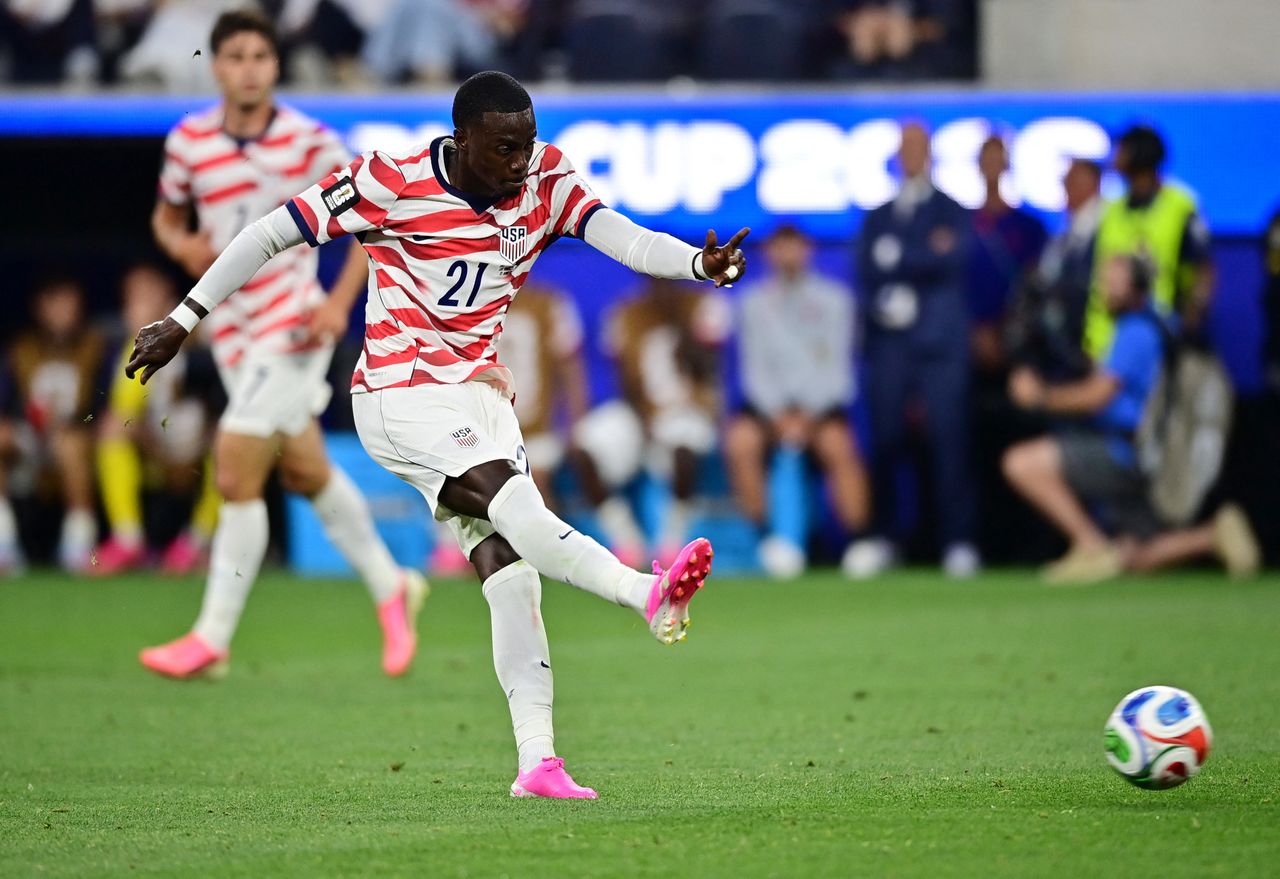
Similarly, Timothy Weah carries one of Africa's most decorated names. His father, George Weah, is the only African to win the Ballon d’Or and served as Liberia's president. Timothy, however, proudly represents the United States. Though his father never graced the World Cup stage, Timothy is fulfilling that dream, becoming a crucial player for the American squad and ensuring the Weah name shines on football's biggest stage. It's a testament to how talent transcends borders and familial expectations.
From Goalkeepers to Strikers: Diverse Legacies on Display
The 2026 World Cup is a veritable roll call of sons extending their family's footballing reach:
- Mostafa Shobeir (Egypt): Son of legendary Egyptian goalkeeper Ahmed Shobeir. Mostafa is proving his mettle, making vital saves against formidable opponents like Belgium, showcasing heroic goalkeeping prowess just as his father did over three decades ago.
- Justin Kluivert (Netherlands): Following in the footsteps of his father, Patrick Kluivert, one of the Netherlands' most prolific strikers. Justin is writing his own chapter for the Oranje, carrying on a storied Dutch footballing dynasty.
- Giuliano Simeone (Argentina): The son of midfield general and now legendary coach Diego Simeone. Giuliano has inherited his father's intensity and drive, carving out his own career in the iconic blue and white of Argentina.
- Nico Paz (Argentina): Another Argentinian talent with a famous lineage. His father, Pablo Paz, was part of Argentina's 1998 World Cup squad. Nearly three decades later, Nico is continuing the family's international presence.
- Francisco Conceição (Portugal): The speedy, skillful, and fearless son of former Portuguese winger Sérgio Conceição, who represented Portugal in the 2002 World Cup. Francisco is now part of Portugal's exciting new generation.
- Kristian Thorstvedt (Norway): A midfielder whose father, Erik Thorstvedt, was Norway's goalkeeper in the 1994 World Cup. Over 30 years on, another Thorstvedt is making waves on the world stage.
- Giovanni Reyna (USA): From one of America's most esteemed footballing families. His father, Claudio Reyna, captained the US and played in three World Cups. Giovanni is now a prominent face of American soccer, embodying the family's enduring influence.
The Haaland Phenomenon: Exceeding Expectations
Perhaps the most prominent example of legacy-building is Erling Haaland. His father, Alf-Inge Haaland, was a respected Norwegian international and played for Manchester City between 2000 and 2003. Erling has not only followed in his father's footsteps but has arguably eclipsed them.
As one of the most prolific goal-scorers of his generation, Erling has propelled Manchester City to domestic and European glory. Now leading Norway's attack in the World Cup, he isn't just carrying the Haaland name into a new era; he's rewriting the family's footballing history, building a legacy that may well surpass his father's significant achievements.
Why Does This Generational Shift Matter for Football Fans?
This confluence of talent, legacy, and personal ambition adds a profound layer of storytelling to the 2026 World Cup. It's a reminder that greatness can be inherited, but it must also be earned. These players face immense pressure, constantly compared to their legendary parents. Yet, they are not merely reflections; they are innovators, taking different positions, representing new nations, and forging their unique identities.

