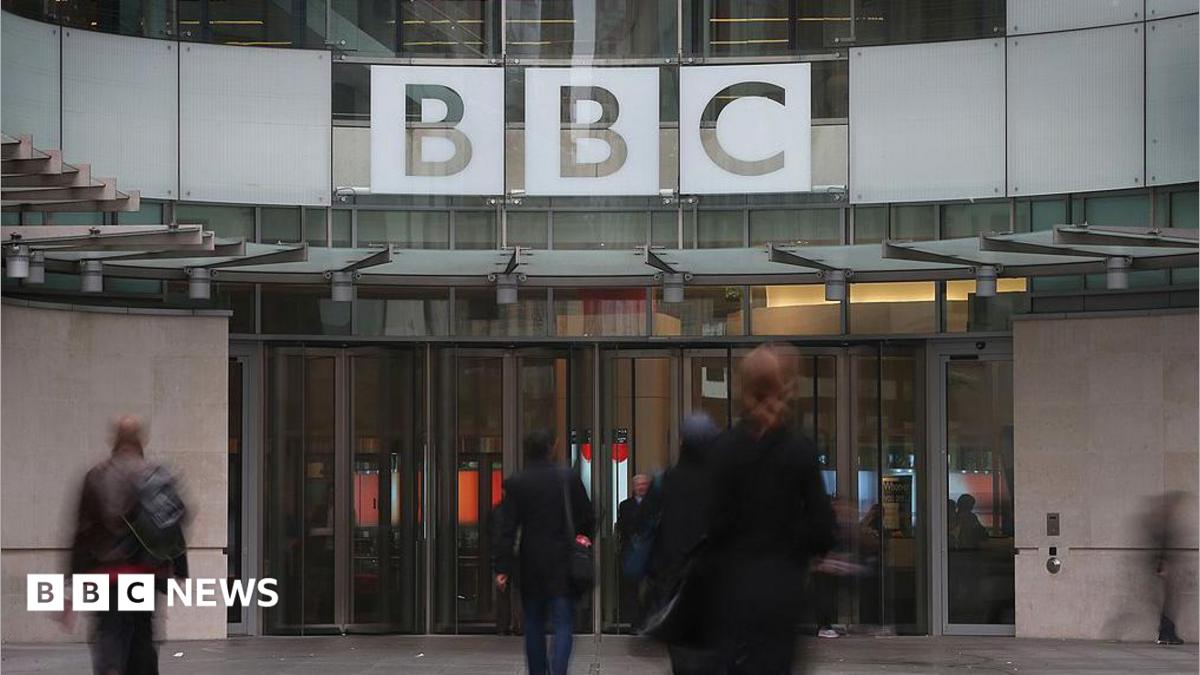
BBC Bloodbath: Iconic Shows Axed, 550 Jobs Cut in Historic Savings Drive
The venerable British Broadcasting Corporation, a cornerstone of global media, is facing one of its most challenging periods yet. In a sweeping overhaul designed to save a staggering £500 million over the next two years, the BBC has announced plans to slash 550 jobs across its news, nations, and content divisions. This isn't just a corporate reshuffle; it's a dramatic re-evaluation of how public service broadcasting operates in the digital age, sparking fears about its future and the quality of journalism.
Why Is the BBC Cutting So Deep? Unpacking the £500m Challenge
At the heart of these painful decisions lies a stark financial reality: the BBC's licence fee income is shrinking. As audiences increasingly migrate online, traditional TV licences are declining, forcing the broadcaster to make "tough choices," as new Director-General Matt Brittin acknowledged. The current round of cuts aims to deliver roughly £160 million towards the overall £500 million target, which will eventually see a reduction of 1,800 to 2,000 jobs corporation-wide. This isn't just about efficiency; it's about survival in a rapidly evolving media landscape.
Deep Cuts to BBC News: What's Being Axed and Who's Affected?
The news division alone will bear the brunt of 200 job losses, aiming for a £25 million saving. The impact is significant and widespread, affecting some of the BBC's most established programmes and services:
- Radio 4's "The World Tonight": After 56 years, this respected current affairs programme is ending from September. Weeknight audiences will now hear a domestic bulletin at 22:00, followed by a simulcast of the World Service's "Newshour" in a new time slot. This move aims for "more efficient" dual-audience programming by leveraging existing World Service output.
- "Today" Programme Presenters: The flagship Radio 4 morning show will reduce its permanent presenters from five to four from September, with a single anchor taking the helm on Saturdays. This coincides with Amol Rajan's previously announced departure.
- BBC One's "Breakfast": The Sunday morning edition will be scrapped from September, with viewers directed to the News Channel for their weekend news fix.
- Production Team Mergers: The teams behind "Sunday with Laura Kuenssberg" and "Newsnight" will merge, streamlining operations and likely reducing headcount.
- Other Radio 4 Programmes Facing the Axe: "The Midnight News," "Money Box Live," "AntiSocial," "The Law Show," and "Crossing Continents" are all set to end within the next year.
- World Service Reductions: "The Inquiry," "The Conversation," and "The Fifth Floor" will also cease production.
- Review of Senior Roles: Chief news presenter roles will be reviewed "to balance audience needs with best value for money," signaling potential further changes at the top.
Beyond news, the BBC plans a significant reduction of 100-150 hours of originated TV programmes across all commissioning genres and 350-400 hours of audio content across various stations and genres by the end of the 2027-28 financial year. Even the news website's "InDepth" section will run with a smaller team, while "Newsnight" will move its Friday edition to a peak-time slot of 19:00 on BBC Two.
New Leadership, Tough Decisions: Matt Brittin's Vision for the BBC's Future
The cuts come just after Matt Brittin, former Google executive, took the helm as Director-General in May, succeeding Tim Davie. Brittin's mandate is clear: navigate the BBC through these turbulent waters. He has already indicated a 10% reduction in senior leadership roles and more savings are on the horizon, including an expected 700 roles to close in corporate divisions. His absence on a pre-planned holiday, though he's attending meetings remotely, hasn't softened the blow of these announcements. He's scheduled a staff Q&A next week, undoubtedly facing a barrage of questions about job security and the broadcaster's direction.
Union Fury and Charter Renewal Concerns: The BBC's Existential Crisis
The response from unions has been swift and critical. Philippa Childs, head of media and entertainment union Bectu, slammed the timing, calling it "far from ideal" given the BBC's Charter Renewal in 2027. "How can you make informed decisions about the long-term future... when it will be in a substantially diminished place?" she questioned, highlighting concerns that the cuts will weaken the BBC's position during these crucial negotiations.
The National Union of Journalists (NUJ) echoed this sentiment, warning of "devastating" consequences for audiences and staff burnout from "doing more with less." John Sailing, the NUJ's national organiser, stated, "It's clear the charter renewal is not going to come soon enough to stop these cuts, and that's why we're calling on the government to urgently intervene."
Even former BBC stalwarts are lamenting the changes. Robin Lustig, a former presenter of "The World Tonight," expressed profound sadness at the programme being "killed off," calling it "one of the more thoughtful BBC news programmes" and proud to have been associated with it for over 20 years. Jonathan Munro, interim CEO of BBC News, acknowledged it was a "very difficult decision," but justified it by the efficiency of making "one programme for two audiences."
These drastic measures are more than just cost-cutting; they are a profound redefinition of the BBC's identity and its place in the modern world. As the corporation braces for a leaner future, the challenge for Brittin and his team will be to maintain journalistic quality and public trust while fundamentally reshaping an institution that has long been a global benchmark for broadcasting. The coming years will determine if these "tough choices" truly secure the BBC's future, or if they erode the very foundations that have made it a world leader.


