The Buzz: Appeals Court Puts the Brakes on Trump's White House Ballroom Expansion
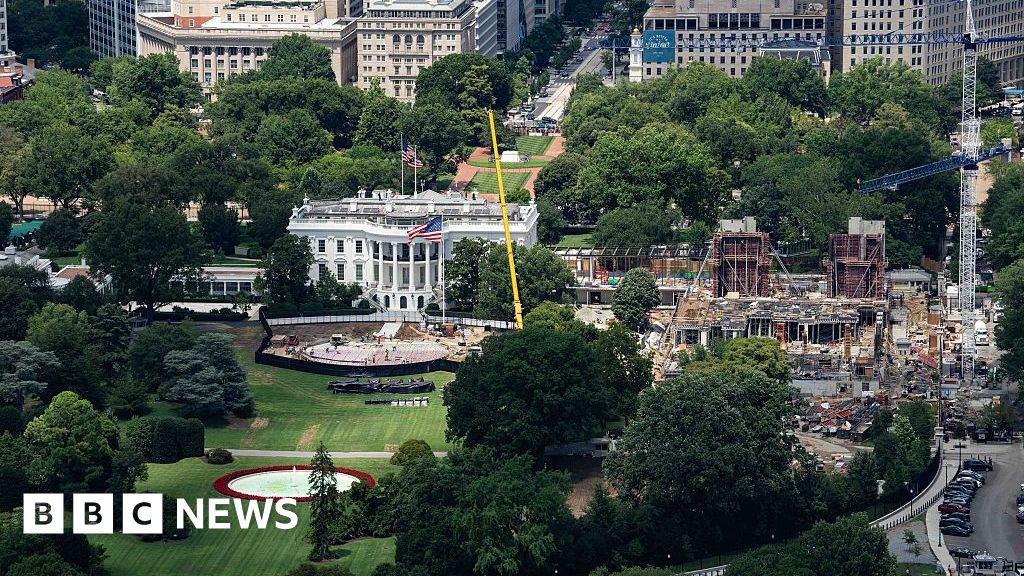
It's a familiar playbook for the Trump administration: a grand vision, a hefty price tag, and now, a major legal roadblock. A federal appeals court has delivered a significant blow, ordering an immediate halt to the above-ground construction of President Donald Trump's ambitious — and controversial — $400 million White House ballroom. This isn't just about bricks and mortar; it's a high-stakes showdown over presidential authority and the sacred grounds of the People's House.
Why Was Trump's White House Ballroom Construction Halted? Understanding the Legal Battle
The latest ruling from a federal appeals court isn't just a minor bureaucratic hurdle; it's a stark reminder that even the President isn't above established protocols. The court upheld a crucial preliminary injunction secured by the National Trust for Historic Preservation. Their lawsuit erupted last year after the administration, without explicit congressional approval, began tearing down parts of the historic East Wing to make way for the massive new facility.
"Whether or not a massive ballroom should be constructed is for Congress to decide and is not a matter for Executive self-help," the majority panel declared, mincing no words. This statement cuts to the core of the issue: the Executive Branch, according to the court, does not possess "unfettered authority to dramatically redesign, reshape, and reconstruct the White House." This isn't just a building; it's a national monument, and its fate, the court asserts, rests with the legislative branch that represents the American people.
The President's Justification: Why Donald Trump Wanted a New Ballroom
President Trump has consistently championed the new ballroom as a necessity, not a luxury. He has publicly stated that the expanded space is crucial to "accommodate people for grand parties, State Visits," emphasizing its importance for diplomatic and ceremonial functions.
The President also ratcheted up the urgency, declaring the ballroom "vital for National Security." This justification gained particular traction after a harrowing assassination attempt during the White House Correspondents' Association dinner in April. For the administration, the project isn't just about lavish events, but about bolstering the White House's capacity and security in an increasingly volatile world.
The Cost and Controversy: Breaking Down the $400 Million White House Project
Valued at an eye-watering $400 million (approximately £297 million), this ballroom isn't just any construction project. Its sheer scale and location within the iconic White House have ignited fierce debate from the outset. While initial lower court rulings permitted some underground work to proceed, the above-ground expansion has consistently faced legal resistance.
The appeals court's decision on Friday specifically blocks any further above-ground construction without the required green light from Congress. This latest ruling effectively reinforces previous judicial pronouncements that aimed to keep the administration's ambitions in check.
What's Next for the Trump Ballroom? A Potential Supreme Court Showdown on Executive Power
This isn't the final word, not by a long shot. The appeals court, while firm in its ruling, has granted the Trump administration a 14-day window to appeal the decision to the Supreme Court. This means the saga of the White House ballroom could very well escalate to the nation's highest judicial body, setting the stage for a landmark case concerning the separation of powers and the limits of presidential authority over national landmarks.
Will the Supreme Court take up the case? If they do, the implications could resonate far beyond a single ballroom, potentially redefining the boundaries of presidential power and congressional oversight when it comes to the preservation and modification of federal property. WhyThisBuzz will keep you updated as this high-stakes legal battle unfolds.