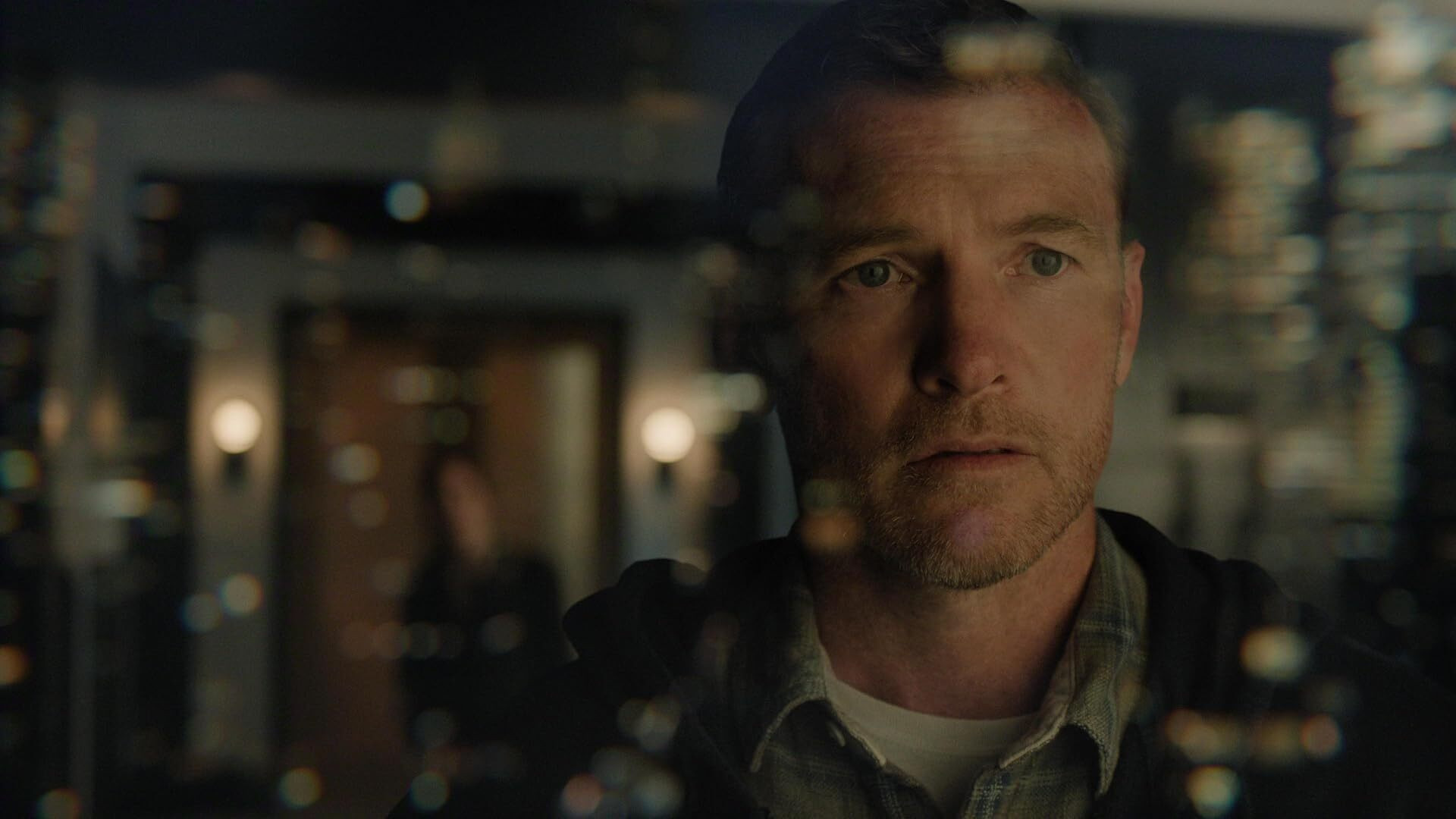
The Star Wars Fandom Was Divided. Then Came Andor.
For decades, Star Wars has been a cultural titan, a cinematic saga that defined generations. But in recent years, the galaxy far, far away felt closer to a civil war, with a deeply fractured fanbase clashing over new directions, character choices, and storytelling missteps. The magic seemed to be fading, replaced by debate and disappointment.
Then, seemingly out of nowhere, a single series changed everything: Andor.
What was initially perceived as an unlikely spin-off, focusing on a character whose fate was already sealed in Rogue One, became the unlikely hero that reunited the Star Wars faithful. It wasn't about Jedi, lightsabers, or the Force. It was about ordinary people, extraordinary stakes, and a powerful, unflinching look at the birth of a rebellion against fascism.
Why Andor's Gritty Realism Struck a Chord with Audiences
Andor didn't just tell a story; it embodied a philosophy. Refusing to lean on cheap nostalgia or fan service, the Disney+ series delivered a mature, complex narrative that felt both fresh and deeply resonant. Every episode was a masterclass in world-building and character development, pulling viewers into the grim realities of Imperial occupation and the quiet acts of defiance that spark a revolution.
The show's critical acclaim, including a staggering 97% on Rotten Tomatoes for its second season, wasn't just about good writing; it was about brave storytelling. Andor dared to be different:
- Focus on the Mundane: It explored the lives of everyday individuals caught in the machinery of oppression, showcasing how even small actions can have monumental consequences.
- Unflinching Tone: Darker and grittier than almost any Star Wars entry before it, Andor reflected a tumultuous real-world climate, making its themes of authoritarianism and resistance powerfully timely.
- Character-Driven Drama: Without the crutch of Jedi mythology, the series put its compelling cast, led by Diego Luna's nuanced portrayal of Cassian Andor, at the forefront, creating deeply human stories.
This shift wasn't just a creative choice; it was a strategic move that revitalized the franchise by demonstrating its potential beyond its most iconic elements.
The Pitfalls of Nostalgia: Where Other Star Wars Stories Stumbled
Andor's success is often highlighted by its contrast with other recent Star Wars ventures that struggled to maintain fan enthusiasm. While The Mandalorian initially captured hearts with its "lone gunfighter" Western aesthetic and the undeniable appeal of Grogu, its third season faced criticism for undoing character development and focusing on tangential side quests. Similarly, The Book of Boba Fett left many viewers cold with its inconsistent character portrayal.
Even the highly anticipated Sequel Trilogy, despite its box office success, continues to be a point of contention for many, with debates raging over plot points like Rey's lineage or the fates of beloved legacy characters. The core issue, it seems, often stemmed from a perceived reliance on nostalgia or a struggle to move the story forward in a universally satisfying way.
Andor, in its quiet defiance, sidestepped these issues entirely. It built on existing lore (specifically Rogue One) but wasn't beholden to it, choosing instead to expand the universe with new perspectives and a bold narrative vision.
Rogue One's Legacy: Paving the Way for Andor's Success
It’s impossible to discuss Andor's impact without acknowledging its cinematic predecessor, Rogue One: A Star Wars Story. Universally praised upon its release, Rogue One was the last Star Wars film to achieve near-unanimous fan adoration. Its tragic, high-stakes mission to steal the Death Star plans introduced a darker, more desperate side of the rebellion and gave us a compelling team of unlikely heroes, including Cassian Andor himself.
Rogue One not only provided the perfect thematic and tonal blueprint for Andor but also seeded the ground for its protagonist. Diego Luna's portrayal of Cassian in Rogue One was already a fan favorite, a morally complex figure driven by conviction. Andor then took that foundation and excavated his backstory, showing the intricate, often brutal path that shaped him into the spy we meet in the film. The series seamlessly flows into the events of Rogue One, enriching both narratives.
The Call for "Adult Star Wars": Beyond Children's Stories
The fervent embrace of Andor by the fandom signals a clear desire for more sophisticated, mature storytelling within the Star Wars universe. Fans are craving narratives that challenge, provoke, and explore complex themes without sacrificing the franchise's inherent wonder. They want the caliber of writing, emotional stakes, and deep world-building that Andor delivered, potentially even fused with the iconic elements of the Force and Jedi.
While there's certainly room for lighter, more adventure-focused fare like The Mandalorian (at its best) or content geared towards younger audiences, Andor proved that Star Wars can, and should, cater to its diverse fanbase with nuanced, intelligent stories that resonate deeply. It demonstrated that true innovation doesn't always lie in new powers or grand battles, but in the untold stories of courage, sacrifice, and the fight for freedom in the shadows.
Andor didn't just revive a character; it revitalized an entire franchise, proving that the heart of Star Wars beats strongest when it focuses on the fight for hope, regardless of who wields the saber.